
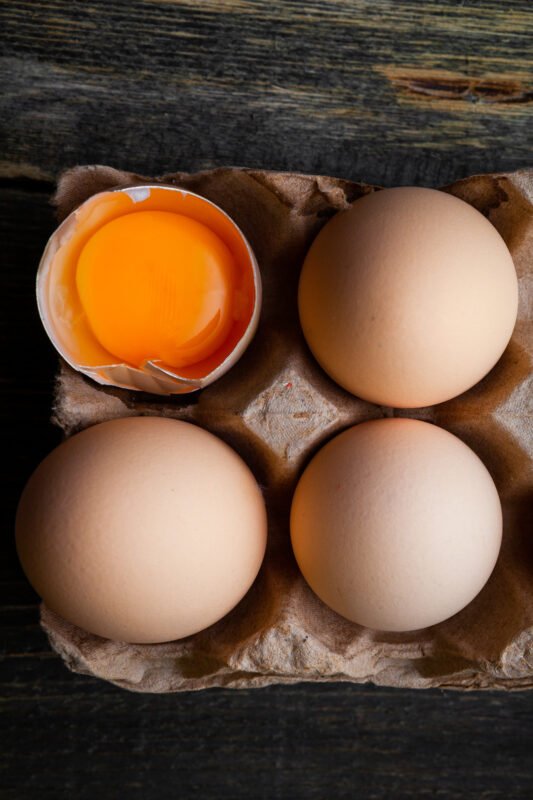
Standing in front of the egg aisle can feel overwhelming. Countless labels face you: organic, cage-free, free-range, pastured, omega-3 enhanced, and more. Each carton promises something different, and the price tags vary just as much as the claims.
If you’ve ever wondered whether organic eggs are worth it, or what these labels actually mean, you’re not alone. Whether you’re a beginner farmer looking to start your own egg operation or a consumer trying to make healthier choices, understanding egg labels is crucial.
The way chickens live, what they eat, and how farmers raise them directly impact the nutritional quality of their eggs. In this comprehensive guide, we’ll break down everything you need to know about organic eggs and other egg varieties so you can make informed decisions for your health, your family, or your farming business.
Are Organic Eggs Healthier?
The short answer is yes, organic eggs tend to be healthier than conventional eggs, but the full picture is more nuanced.
Organic eggs come from chickens that farmers raise according to strict USDA organic standards. Farmers must feed these hens organic feed that contains no synthetic pesticides, herbicides, or genetically modified organisms (GMOs). Farmers cannot give them antibiotics or hormones, and they must provide the hens with access to the outdoors.
From a nutritional standpoint, organic eggs often contain higher levels of certain nutrients. Research suggests that eggs from organically raised hens may have more omega-3 fatty acids, vitamin E, and beta-carotene compared to conventional eggs. The enhanced nutrition comes from the chickens’ better diet and living conditions.
But here’s what many people don’t realize: while organic This food are healthier than conventional eggs, they’re not necessarily the healthiest option available. Pastured eggs, which we’ll discuss later, often have even better nutritional profiles because the chickens have more freedom to forage for their natural diet of insects, worms, and fresh greens.
The health benefits of this product extend beyond its nutritional value. By choosing organic, you’re avoiding exposure to pesticide residues and antibiotics that can accumulate in conventional eggs. For families, especially those with young children, this reduction in chemical exposure is a significant health advantage.
Another factor to consider is animal welfare. Healthier, less-stressed chickens produce better quality eggs. Organic standards require better living conditions, which means the chickens are generally healthier and their eggs reflect that improved well-being.
What Are Conventional Eggs?
Conventional eggs are what you’ll find in the majority of grocery stores at the lowest prices. These are eggs from hens that large-scale commercial operations raise, where efficiency and cost-effectiveness are the primary goals.
In conventional egg farming, farmers typically keep hens in battery cages. These cages are small wire enclosures that hold multiple birds, often giving each hen less space than a sheet of paper to live on. The chickens cannot spread their wings, walk around, or engage in natural behaviors like dust bathing or foraging.
Farmers feed these hens conventional chicken feed that may contain GMO corn and soy, as well as crops that producers have treated with synthetic pesticides and herbicides. They formulate the feed to maximize egg production quickly and cheaply. Some conventional operations also add antibiotics to the feed to prevent disease in the crowded conditions.
Farmers design the living conditions in conventional egg facilities for maximum efficiency. They stack multiple hens in rows of cages in large warehouses with artificial lighting that they manipulate to increase egg production. The birds never see natural sunlight or touch the ground.
From a nutritional standpoint, conventional super food still provide good protein and essential nutrients. They contain all nine essential amino acids and are rich in vitamins B12 and D. However, they typically have lower levels of omega-3 fatty acids and other beneficial nutrients compared to eggs from chickens with better diets and living conditions.
The environmental impact of conventional egg farming is also worth noting. These large-scale operations produce significant amounts of waste, and farmers’ use of pesticides on chicken feed contributes to soil and water pollution.
What are “Pasture” Eggs?
Pastured eggs represent the gold standard in egg production. These eggs come from chickens that spend their days roaming freely on pasture, living as close to their natural lifestyle as possible in a farming setting.
In a pastured system, chickens have continuous access to an outdoor pasture where they can forage for insects, worms, seeds, and fresh grass. They live in mobile co-ops or have permanent structures with extensive outdoor access. The key difference is that these chickens spend most of their time outdoors on real grass, not just a small outdoor area.
These hens eat a diverse diet that includes whatever they can find while foraging. Insects and worms provide natural protein, while fresh greens offer vitamins and minerals. Most pastured egg farmers supplement this natural diet with grain, but the chickens get a significant portion of their nutrition from foraging.
The nutritional benefits of pastured eggs are impressive. Studies have shown that pastured eggs can contain up to two times more omega-3 fatty acids, three times more vitamin E, and seven times more beta-carotene than conventional eggs. The yolks are typically a deep orange color, indicating higher levels of beneficial carotenoids.
For farmers, raising pastured chickens requires more land and labor than conventional or even organic operations. Farmer’s needs to move chickens regularly to fresh pasture, and predator protection becomes more challenging. However, the premium price that pastured eggs command can make this approach profitable for small to medium-sized farms.
The welfare of pastured chickens is excellent. They can express their natural behaviors, get exercise, breathe fresh air, and experience natural sunlight. This isn’t just better for the chickens; it results in healthier, more flavorful protien source.
What Does “Cage-Free” Mean?
Cage-free sounds like a significant improvement over conventional them, and in some ways it is. However, the reality of cage-free production often surprises people.
Cage-free means farmers do not keep the hens in battery cages. Instead, they live in large barns or warehouses where they can move around freely within the building. They have space to walk, spread their wings, and engage in some natural behaviors like dust bathing and perching.
Here’s the catch: cage-free doesn’t mean the chickens go outdoors. Most cage-free operations keep thousands of hens in large indoor facilities with no access to sunlight or fresh air. While the birds have more space than caged hens, they’re still in a crowded indoor environment.
The stocking density in cage-free barns can be quite high. While each hen has more space than in a cage, you might still have several thousand birds in one barn. The conditions can vary significantly between different cage-free operations, from relatively spacious to quite crowded.
Farmers typically feed cage-free hens the same conventional feed as caged hens unless producers also label the eggs organic. The feed usually contains GMO grains and may include antibiotics. Without outdoor access, these chickens don’t get the nutritional benefits of foraging for insects and greens.
For farmers considering cage-free production, it requires more space and different infrastructure than caged systems, but less land than pastured or free-range operations. The eggs typically command a higher price than conventional eggs but lower than pastured or organic options.
What About “Free Range”?
Free-range sits somewhere between cage-free and pastured in terms of chicken welfare and egg quality. The term sounds appealing, but like many egg labels, the reality can vary significantly.
Free-range means the chickens have some access to the outdoors. However, USDA regulations for free-range are quite vague. There’s no specification for how much time the chickens must spend outside, how much outdoor space they need, or what that outdoor space must look like.
In practice, free-range operations can range from excellent to barely different from cage-free. Some farms provide extensive outdoor areas with grass, shade, and plenty of room for chickens to roam. Others might have a small concrete patio or dirt area that technically counts as “outdoor access” but doesn’t offer much benefit to the chickens.
The chickens in free-range systems usually live in barns and have the option to go outside through small doors or openings. However, if the outdoor area is small, unappealing, or difficult to access, many chickens may rarely venture out.
Free-range doesn’t specify what the chickens are fed. Unless producers also label the organic, the hens are likely eating conventional feed with GMOs and possibly antibiotics. Some free-range chickens do get to forage outdoors, which can improve their nutrition and the quality of their eggs.
The nutritional quality of free-range eggs depends heavily on how much time the chickens actually spend outdoors and what’s available to them there. If they have good outdoor access with vegetation and insects, free-range eggs can approach the quality of pastured eggs. If outdoor access is minimal, they may be nutritionally similar to cage-free or conventional.
For consumers, free-range eggs are usually more expensive than conventional or cage-free eggs.
What Are “Vegetarian” Eggs?
Vegetarian eggs come from chickens that farmers feed a diet containing no animal by-products. While this might sound healthy and ethical, it contradicts a chicken’s natural diet. Chickens are omnivores that thrive on insects, worms, and small creatures they forage throughout the day.
The vegetarian label means farmers fed chickens only grains, soy, and plant-based ingredients, excluding meat, bone meal, or animal by-products. This practice emerged from concerns about disease transmission through animal-based feed.
However, forcing chickens onto a completely vegetarian diet isn’t necessarily healthier. If farmers keep them indoors on vegetarian feed, they miss essential nutrients from insects and worms. With outdoor access, the label becomes meaningless since chickens naturally eat bugs regardless of their official feed.
Vegetarian feed costs more due to careful protein formulation without animal sources, though it can command a small premium. Remember, vegetarians aren’t inherently organic, cage-free, or free-range—they could still come from caged hens in conventional operations.
What Are Omega-3-Enhanced Eggs?
Omega-3-enhanced come from chickens whose feed farmers have supplemented with ingredients rich in omega-3 fatty acids. Producers design these to deliver beneficial fats important for heart and brain health.
Farmers typically supplement feed with flaxseed, fish oil, or algae—ingredients naturally high in omega-3s that transfer into eggs when chickens consume them. A typical omega-3-enhanced egg contains 100-600 mg of omega-3 fatty acids, compared to 30-50 mg in a conventional egg. This substantial difference helps people meet daily omega-3 requirements, especially those who don’t eat much fish.
The most common type is ALA (alpha-linolenic acid) from flaxseed. Premium versions contain DHA (docosahexaenoic acid) from fish oil or algae, which our bodies use most directly.
Well-produced omega-3 eggs taste like regular eggs, though poor-quality fish oil can create a fishy flavor. The omega-3 label only indicates feed supplementation, not living conditions. For the healthiest option, those that are both omega-3-enhanced and organic or pastured.
Organic Egg Scorecard
When choosing eggs, understanding quality ratings can help you make better decisions for your health and your farming operation. Here’s a comprehensive scorecard to help you evaluate different egg types:
| Egg Type | Animal Welfare | Nutrition Quality | Environmental Impact | Value for Money | Overall Score |
|---|---|---|---|---|---|
| Pastured Organic | 🥚🥚🥚🥚🥚 Excellent | 🥚🥚🥚🥚🥚 Superior | 🥚🥚🥚🥚🥚 Best | 🥚🥚🥚🥚 Good | 5/5 |
| Pastured (Non-Organic) | 🥚🥚🥚🥚🥚 Excellent | 🥚🥚🥚🥚🥚 Superior | 🥚🥚🥚🥚 Very Good | 🥚🥚🥚🥚 Good | 4.5/5 |
| Organic Free-Range | 🥚🥚🥚🥚 Very Good | 🥚🥚🥚🥚 Very Good | 🥚🥚🥚🥚 Very Good | 🥚🥚🥚 Fair | 4/5 |
| Organic Cage-Free | 🥚🥚🥚 Good | 🥚🥚🥚 Good | 🥚🥚🥚 Good | 🥚🥚🥚 Fair | 3/5 |
| Free-Range (Non-Organic) | 🥚🥚🥚 Good | 🥚🥚🥚 Good | 🥚🥚 Fair | 🥚🥚🥚 Fair | 3/5 |
| Cage-Free (Non-Organic) | 🥚🥚 Fair | 🥚🥚 Fair | 🥚🥚 Fair | 🥚🥚🥚 Fair | 2.5/5 |
| Conventional Caged | 🥚 Poor | 🥚🥚 Fair | 🥚 Poor | 🥚🥚🥚🥚🥚 Best | 2/5 |
Understanding the Ratings:
Animal Welfare: Considers space per bird, outdoor access, natural behaviors, and living conditions.
Nutrition Quality: Based on omega-3 content, vitamins, minerals, and overall nutritional profile.
Environmental Impact: Evaluates sustainability, waste management, pesticide use, and carbon footprint.
Value for Money: Considers the nutritional and welfare benefits relative to typical price points.
For farmers and consumers using our platform at egzaa.com, we recommend prioritizing pastured organic eggs when possible, with organic free-range as a strong second choice. The investment in quality pays off in both nutrition and long-term sustainability.
So Which Eggs Are the Best and Healthiest You Can Buy?
Quick Reference Guide: Choosing the Best Eggs
| Priority | Egg Type | Best For | Key Benefits | Considerations |
|---|---|---|---|---|
| 1st Choice | Pastured Organic | Maximum nutrition & ethics | Highest omega-3, vitamins, outdoor access, no pesticides | Higher cost, limited availability |
| 2nd Choice | Pastured (Non-Organic) | Best nutrition on budget | Superior nutrients, outdoor lifestyle, natural diet | Supplemental feed may not be organic |
| 3rd Choice | Organic Free-Range | Balanced quality & value | No pesticides/GMOs, some outdoor access | Limited outdoor time varies by producer |
| 4th Choice | Organic Cage-Free | Budget-conscious organic | No pesticides/GMOs/antibiotics | No outdoor access, crowded conditions |
| 5th Choice | Regular Free-Range | Basic welfare improvement | Some outdoor access, better than caged | Feed not organic, outdoor access varies |
| Budget Option | Cage-Free | Better than conventional | More space than caged hens | Still indoors, conventional feed |
| Avoid | Conventional Caged | Lowest cost only | Cheapest option available | Poor welfare, lowest nutrition, pesticides |
Shopping Tips:
Look for local farm at farmers’ markets, where you can ask questions about raising practices directly.
Check for third-party certifications like Certified Humane, Animal Welfare Approved, or Regenerative Organic Certified.
Choose eggs from brands that provide transparency about their farming practices through their website or packaging.
Consider joining a local farm CSA (Community Supported Agriculture) program that includes eggs.
For farmers at egzaa.com, this guide helps you position your protein in the market and understand what consumers value most when making purchasing decisions.
“Chicken Feed” Feeds You, Too!
How Chicken Feed Affects Egg Nutrition
There’s truth to the saying “You are what you eat“—and with eggs, it extends to “You are what your chickens eat.” The feed chickens consume directly impacts their nutritional composition.
Conventional feed typically consists of GMO corn and soy grown with synthetic pesticides. While adequate for egg production, it doesn’t optimize nutrition. Chickens eating only grain-based feed produce super food lacking beneficial nutrients, with unbalanced omega-6 to omega-3 ratios that can promote inflammation.
Organic feed eliminates synthetic pesticides and GMOs, preventing chemical residues from concentrating in eggs. However, real nutritional magic happens when chickens forage. Fresh grass provides chlorophyll and vitamins, insects offer complete proteins and healthy fats, and seeds contribute minerals—creating the most nutritious possible.
Some farmers enhance feed with kelp, flaxseed, or probiotics, which work best combined with outdoor foraging. For farmers, quality feed represents a significant investment that translates into premium eggs commanding higher prices and creating loyal customers.
What Is the Difference Between Pastured and Pasteurized Eggs?
This common confusion is important to clarify because these terms mean completely different things.
Pastured eggs come from chickens that live on pasture, spending their days outdoors foraging for insects and living naturally. The term describes how farmers raised the chickens.
Pasteurized refers to products that have heat-treated to kill bacteria like Salmonella. This gentle heating process is a food safety treatment, not a farming practice, and doesn’t change where eggs came from or how farmers raised the chickens.
Doctors recommend pasteurized food for people with compromised immune systems, pregnant women, young children, and elderly individuals. They’re also useful in recipes requiring raw eggs. The process doesn’t significantly impact nutrition or taste.
For consumers seeking the healthiest eggs, focus on finding eggs from pastured hens. If you need them pasteurized for safety, you can find both, though they’re pricier and harder to locate. Simply put: pastured describes farming practices, while pasteurized describes safety treatment.
Pastured Chicken Egg Nutrition
Studies have well-documented the impressive nutritional superiority of pastured eggs.
One of the most significant differences is in the omega-3 fatty acid content. Pastured can contain two to three times more omega-3s than conventional food. These essential fats are crucial for heart health, brain function, and reducing inflammation in the body.
Vitamin E levels in pastured can be three to six times higher than in conventional protein. Vitamin E is a powerful antioxidant that protects cells from damage, supports immune function, and promotes skin health.
The beta-carotene content in pastured eggs can be seven times higher than that of conventional superfoods. This is visible in the deep orange yolks of pastured eggs. Beta-carotene converts to vitamin A in the body, supporting eye health, immune function, and cell growth.
Pastured eggs also tend to have higher levels of vitamin D, which is crucial for bone health, immune function, and mood regulation. Chickens that spend time in natural sunlight produce eggs with more vitamin D, just as humans produce vitamin D from sun exposure.
The folate content in pastured eggs can be twice as high as conventional. Folate is essential for DNA synthesis, cell division, and is particularly important for pregnant women to prevent birth defects.
Beyond these specific nutrients, pastured eggs have a better overall fatty acid profile. They have a healthier ratio of omega-6 to omega-3 fatty acids, which helps reduce inflammation rather than promote it.
The cholesterol in pastured is accompanied by higher levels of beneficial nutrients that help our bodies process it properly.
For farmers, understanding this nutritional superiority helps you market your eggs effectively. Educating customers about these benefits justifies premium pricing and builds loyal customers who understand they’re getting genuine value.
Compared to Conventional Eggs, Free-Range Pastured Eggs Have:
Nutritional comparisons between pastured and conventional reveal dramatic differences that make the case for pasture-raised poultry compelling.
Pastured eggs contain 30% more vitamin A, essential for vision and immune function. The deep orange yolks visually indicate this increase. Omega-3 fatty acids are two to three times higher—up to 200mg per egg compared to 60mg in conventional supporting cardiovascular and brain health.
Vitamin E levels show the most dramatic difference: three to six times higher, with pastured eggs containing 4-5mg versus less than 1mg in conventional. Beta-carotene is seven times higher, creating those beautiful orange yolks that indicate nutritional superiority.
Pastured eggs also have significantly higher overall antioxidant content and a more favorable omega-6 to omega-3 ratio—closer to 4:1 compared to 20:1 in conventional eggs—which reduces inflammation. These differences translate into real health benefits for regular consumers.
What Are Grass-Fed Eggs?
Grass-fed eggs is another term you might encounter, and it’s essentially another way of describing pastured. The terminology emphasizes that the chickens have access to fresh grass and vegetation.
Chickens aren’t ruminants like cows, so they don’t actually “graze” on grass in the same way. However, they do eat grass, particularly young, tender grass shoots. They also benefit enormously from the insects, worms, and seeds they find while foraging in grassy pastures.
When chickens have access to lush, green pasture, they consume a variety of plants along with the animal protein from insects. This diverse diet is what creates the nutritional superiority in their. The term “grass-fed” tries to capture this pasture-based lifestyle.
Some producers use “grass-fed eggs” instead of “pastured” because it’s a more familiar term to consumers who understand grass-fed beef. The concept is similar: animals living on pasture, eating a natural diet, rather than being confined indoors.
For farmers, whether you call them pastured, grass-fed, or pasture-raised, the important factor is that your chickens actually have substantial outdoor access to quality pasture. Marketing terms matter less than actual practices.
The quality of the pasture matters too. Chickens grazing on diverse, chemical-free pasture with a variety of plants, insects, and worms will produce better eggs than chickens on a sparse, depleted outdoor area, even if both are technically “grass-fed.”
Rotation is key in grass-fed or pastured egg production. Moving chickens to fresh pasture regularly ensures they always have access to nutritious forage. It also prevents overgrazing and reduces parasite loads.
Which Eggs Taste the Best?
| Taste Aspect | Description |
|---|---|
| Pastured Eggs Flavor | Richer, more complex, and more “eggy” in the best way. Chickens eating varied diets (insects, worms, diverse plants) contribute unique flavor compounds similar to grass-fed vs. grain-fed beef. |
| Texture Quality | Yolks are thicker and creamier, standing tall when cracked. Whites are firmer and less watery, enhancing both appearance and mouthfeel. |
| Freshness Factor | Fresh eggs taste better regardless of chicken diet. Local farmer’s market eggs (purchased within days) noticeably outperform eggs transported and stored for weeks. |
| Visual Appeal | Deep orange yolks are visually stunning and suggest richness. The nutrients creating that color often enhance flavor too. |
| Conventional Eggs | Some prefer the milder taste simply due to familiarity. The stronger flavor of pastured eggs may require adjustment, though most people quickly prefer the robust taste. |
| Omega-3 Enhanced | Flaxseed-based taste like regular eggs. Fish oil-based can occasionally have a fishy taste if not produced carefully, though quality producers avoid this. |
| Best Cooking Uses | Pastured eggs excel in dishes where egg flavor is prominent (omelets, scrambled eggs, custards). Superior texture makes them ideal for baking—better structure and rise. |
Which Eggs Are the Healthiest?
The healthiest eggs are unquestionably pastured from chickens that have continuous access to outdoor pasture where they can forage for their natural diet.
These eggs offer the best nutritional profile with higher levels of omega-3 fatty acids, vitamins A, E, and D, beta-carotene, and antioxidants. The nutrient density of pastured makes them a genuine superfood rather than just a good protein source.
When pastured are also certified organic, you get additional health benefits from the absence of pesticides, GMOs, and antibiotics. The combination of outdoor living and organic feed creates the absolute healthiest eggs possible.
From a food safety perspective, fresh eggs from small, well-managed farms tend to be very safe. While there’s always some risk with raw eggs, chickens living in less crowded, cleaner conditions with outdoor access generally have lower rates of Salmonella and other pathogens.
The health benefits extend beyond just the nutrients in the eggs. By choosing pastured, you’re supporting farming practices that are better for the environment, creating a healthier food system for everyone.
For people with specific health concerns, pasturedoffer particular benefits. The high omega-3 content supports heart and brain health. The antioxidants help combat inflammation and oxidative stress. The complete protein supports muscle health and satiety.
Pregnant women, children, and elderly individuals can particularly benefit from the superior nutrition in pastured. The higher folate content is especially important for fetal development, while the vitamin D and omega-3s support health at all life stages.
Even for people watching their cholesterol, pastured eggs may be a better choice than conventional eggs. The improved fatty acid profile and higher nutrient content may help the body process the cholesterol more effectively.
Which Are Better: Organic or Pasture-Raised Eggs?
If you have to choose between organic eggs (without pastured access) and pastured eggs (without organic certification), the pastured eggs are generally the better choice for nutrition.
The outdoor lifestyle and natural foraging that pastured chickens enjoy create superior nutritional profiles in their eggs. The access to insects, worms, and fresh greens provides nutrients that organic grain feed alone cannot match, even if that grain is certified organic.
However, the ideal choice is pastured organic eggs, which combine both benefits. These eggs come from chickens living on pasture and fed certified organic supplemental feed. You get the nutritional benefits of the outdoor lifestyle plus the assurance of no pesticides or GMOs.
If pesticide exposure is your primary concern, organic certification (even without pasturing) is important. Organic standards prohibit synthetic pesticides, herbicides, and GMOs, which means less chemical residue in your eggs.
If maximum nutrition is your goal, prioritize pastured eggs. Even if the supplemental grain feed isn’t organic, the nutritional boost from foraging usually outweighs the organic certification factor.
For farmers, the decision between organic certification and pasture-raising depends on your resources. Organic certification requires paperwork, fees, and a three-year transition period. Pasture-raising requires adequate land and more labor but doesn’t have certification costs.
Many small farmers raise excellent pastured chickens without organic certification simply because they can’t afford the certification process. If you can visit the farm or know the farmer, you can verify their practices even without official certification.
Consider also that some pastured farms use organic practices without certification. They may feed organic or locally sourced feed and avoid chemicals but haven’t pursued official certification. These eggs can be just as good as certified organic pastured eggs.
Do Omega-3 Eggs Taste Fishy?
This is a common concern, and the answer is that well-produced omega-3 eggs should not taste fishy at all.
When chickens are fed flaxseed to boost omega-3 content, which is the most common method, there’s no fishy taste whatsoever. Flaxseed is plant-based and gives eggs a nutrition boost without affecting flavor.
When fish oil is used to enhance omega-3 levels, particularly DHA, there’s a small risk of fishy taste if not done properly. However, reputable producers carefully balance their feed formulations and use high-quality fish oil to avoid this issue.
The key is the quality and freshness of the omega-3 source in the feed. Rancid or low-quality fish oil can create off-flavors that transfer to the eggs. Good producers use fresh, high-quality ingredients and store feed properly to prevent oxidation.
Most people cannot taste any difference between regular eggs and high-quality omega-3 eggs. In blind taste tests, omega-3 eggs from flaxseed supplementation are virtually indistinguishable from conventional eggs.
If you’ve tried omega-3 eggs that tasted fishy, it was likely due to poor quality control in production or old eggs. Fresh omega-3 eggs from reputable producers should taste like excellent regular.
For farmers producing omega-3 eggs, using flaxseed is the safest bet for avoiding any taste issues. It’s also generally less expensive than fish oil and provides good omega-3 enhancement without risk of off-flavors.
Some premium omega-3 eggs use algae-based DHA supplementation. This provides the same type of omega-3s as fish oil but without any potential for fishy flavors, since algae is what fish eat to get their omega-3s in the first place.
Do Dark Yellow-Orange Yolks Indicate Healthier Eggs?
Generally, yes, dark yellow-orange yolks are a good indicator of healthier eggs, though it’s not a perfect correlation.
The deep color comes from carotenoids, which are beneficial antioxidant compounds found in plants. When chickens eat lots of fresh greens, insects, and other colorful foods, these carotenoids accumulate in their egg yolks.
Beta-carotene is the most abundant carotenoid in egg yolks and gives them that orange color. It’s the same compound that makes carrots orange and is a precursor to vitamin A in our bodies. Higher beta-carotene means more nutritional value.
Pastured eggs almost always have deep orange yolks because the chickens eat so much fresh grass and so many insects. The color is a visual indication of their outdoor lifestyle and natural diet.
However, yolk color can be manipulated. Some commercial producers add marigold petals or other carotenoid sources to chicken feed specifically to darken yolk color. This can make conventional eggs look like pastured eggs without the nutritional benefits.
If you’re buying this super food from a trusted source where you know the chickens have outdoor access, dark yolks are a great sign. If you’re buying from an unknown source, dark yolks alone don’t guarantee the eggs are pastured or more nutritious.
The shade of orange can vary seasonally even in pastured eggs. In spring and summer when grass is lush and insects are abundant, yolks tend to be darker. In winter when chickens rely more on stored feed, yolks may be lighter even on the same farm.
For the most accurate assessment, combine yolk color with other information about how the chickens were raised. Dark orange yolks from pastured chickens are indeed healthier. Artificially darkened yolks from indoor chickens are just marketing.
Do Eggs with Brown Shells Taste Different from Eggs with White Shells?
No, shell color has no impact on taste, nutrition, or quality. The color of the eggshell is simply determined by the breed of chicken, nothing more.
Chickens with white feathers and white earlobes typically lay white eggs. Chickens with red or brown feathers and red earlobes typically lay brown eggs. Some breeds even lay blue or green eggs. It’s purely genetic.
The persistent myth that brown eggs are healthier or more natural probably stems from marketing. Brown eggs are often more expensive in stores, which leads people to assume they must be better. The higher price usually reflects the fact that breeds laying brown eggs tend to be larger and eat more feed, increasing production costs.
Inside the shell, brown eggs and white eggs are identical when the chickens are raised the same way. A brown egg from a caged hen is nutritionally the same as a white egg from a caged hen. A brown pastured egg is nutritionally the same as a white pastured egg.
What matters is how the chicken was raised, what it was fed, and how fresh the egg is. Shell color is completely irrelevant to these factors. You could have supremely healthy white eggs and poor quality brown eggs, or vice versa.
For farmers, breed selection should be based on factors like cold hardiness, egg production rate, temperament, and market preferences in your area, not on shell color. Some markets prefer brown eggs, others prefer white, but the preference is purely aesthetic.
If you prefer the look of brown eggs or think they’re prettier in your egg basket, that’s perfectly fine. Just don’t pay extra for brown eggs thinking they’re healthier or better. Judge eggs by the raising practices and freshness, not shell color.
How to Test to See if an Egg Is Fresh
Testing egg freshness is simple and important for both quality and safety. The float test is the easiest method: place the egg in cold water. Fresh eggs sink and lay flat; slightly older sink but stand upright; floating eggs should be discarded.
The shake test involves holding the egg to your ear and shaking gently. Fresh eggs feel solid and quiet, while older eggs feel loose with a sloshing sound.
The crack test reveals everything. Fresh eggs have thick, gel-like whites staying close to firm, tall-standing yolks. Older have thin, watery whites and flat yolks that break easily.
The smell test is your final safety check—fresh eggs have virtually no smell when cracked. Any bad or sulfurous odor means discard immediately.
Proper storage extends freshness: keep them in their carton in the refrigerator (not the door), pointed end down. Refrigerated stay fresh for 4-5 weeks.