
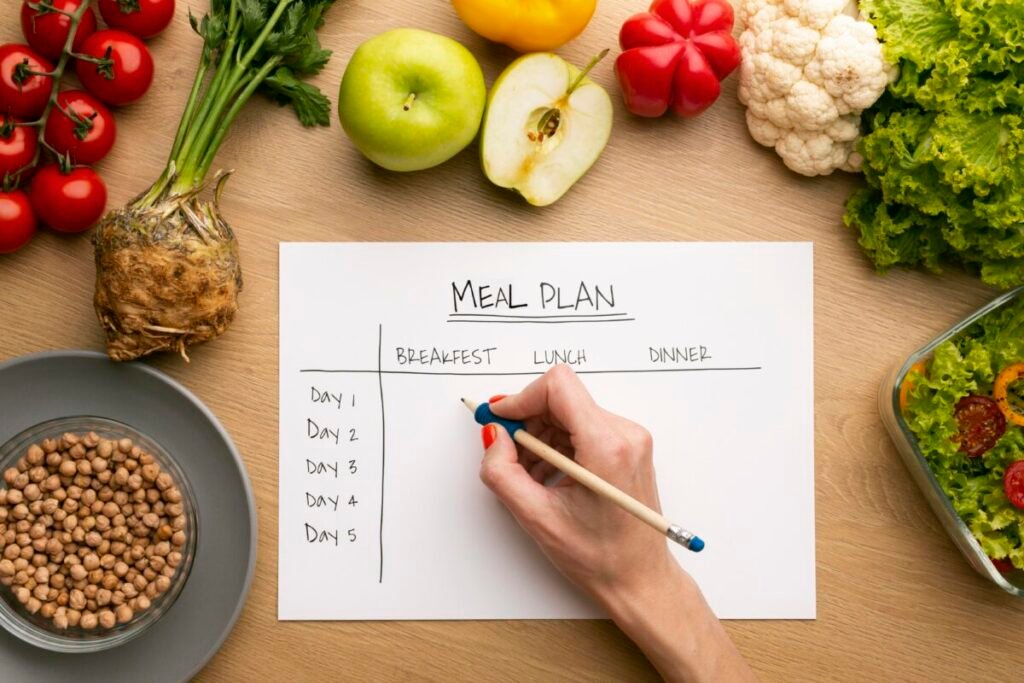
PCOS Meal Plan Created by a Dietitian
Living with PCOS can feel especially challenging when you’re trying to figure out what to eat.
You’ve probably heard conflicting advice about carbs, protein, and fats. Some say cut carbs completely, others recommend high protein, and everyone seems to have a different opinion.
The truth is, managing PCOS doesn’t require extreme dieting or cutting out entire food groups. It’s about making smart, sustainable choices that help balance your hormones and manage your symptoms naturally.
This comprehensive guide will walk you through everything you need to know about the PCOS diet. You’ll discover exactly what to eat for breakfast, lunch, dinner, and snacks. Plus, you’ll get a complete understanding of which foods help and which ones worsen your symptoms.
Whether you’re in the US or anywhere else in the world, these principles apply universally.
PCOS Meal Plan.
Low-carb eating has gained popularity for managing PCOS, but it doesn’t mean eliminating all carbs.
| Recipe Name | Ingredients & Preparation | Health Benefits | Protein Content |
|---|---|---|---|
| 🍳 Spinach and Mushroom Omelet (Breakfast) |
Three eggs whisked with a splash of milk. Sauté spinach, mushrooms, and onions in olive oil. Pour egg mixture over vegetables and cook until set. Top with feta cheese. | Keeps you satisfied for hours, stabilizes morning blood sugar, provides essential vitamins and minerals | 25g |
| 🥗 Grilled Chicken Salad Bowl (Lunch) |
Dark leafy greens, cherry tomatoes, cucumbers, bell peppers, shredded carrots, 150g grilled chicken breast, avocado slices, pumpkin seeds. Dress with olive oil and lemon juice. | Perfect balance of protein, healthy fats, and fiber. Provides sustained energy throughout afternoon | 35g |
| 🐟 Baked Salmon with Roasted Vegetables (Dinner) |
Season salmon fillet with herbs, bake at 400°F for 15 minutes. Roast broccoli, cauliflower, and Brussels sprouts with olive oil. Serve with small portion of quinoa or brown rice. | Rich in omega-3 fatty acids that reduce inflammation. Supports hormone production and heart health | 30g |
| 🥄 Greek Yogurt Parfait (Snack) |
Layer plain Greek yogurt with fresh berries, chopped walnuts, and a drizzle of honey. Add ground flaxseed for extra fiber and omega-3s. | Balances protein and healthy fats. Satisfies sweet cravings naturally without blood sugar spikes | 20g |
| 🦃 Turkey Meatballs with Zucchini Noodles (Dinner) |
Ground turkey meatballs with herbs and spices. Spiralize zucchini to create noodles. Top with homemade tomato sauce and serve with side salad. | Lean protein with very low carbs. Zucchini noodles provide fiber and keep meal light yet filling | 28g |
| 🥣 Chia Seed Pudding (Breakfast) |
Mix chia seeds with almond milk overnight. In the morning, top with pomegranate seeds, sliced banana, and a handful of nuts. | Fiber-rich breakfast that stabilizes blood sugar from the moment you wake. Easy to prepare ahead | 15g |
Guidelines for Blood Sugar Balancing
Blood sugar balance is the cornerstone of PCOS management.
When your blood sugar levels spike and crash throughout the day, it triggers insulin resistance. This makes PCOS symptoms worse and makes weight loss nearly impossible.
Understanding the 30-30-30 Rule for PCOS
The 30-30-30 rule has become popular for managing PCOS symptoms naturally. This approach involves eating 30 grams of protein within 30 minutes of waking up, followed by 30 minutes of low-intensity exercise.
This method helps jumpstart your metabolism and prevents blood sugar spikes early in the day. While it’s not a magic solution, many women with PCOS find it helps them feel more energised and reduces cravings throughout the day.
Choosing Low-Glycemic-Index Foods
The glycemic index measures how quickly foods raise your blood sugar. Low GI foods release sugar slowly into your bloodstream, preventing spikes.
Examples of low GI foods include steel-cut oats, sweet potatoes, quinoa, lentils, chickpeas, and most non-starchy vegetables. These should form the foundation of your PCOS diet plan.
High GI foods to limit include white bread, white rice, sugary cereals, pastries, and processed snacks. These cause rapid blood sugar spikes followed by crashes that worsen insulin resistance.
Timing Your Meals Properly
Eating at consistent times helps regulate your blood sugar and hormones. Aim for three balanced meals and one to two snacks daily.
Don’t skip meals, especially breakfast. Going too long without eating can cause blood sugar drop too low, triggering cravings and overeating later.
Space your meals about 3 to 4 hours apart. This gives your body time and prevents constant insulin spikes.
Pairing Carbs with Protein and Fat
Never eat carbohydrates alone. Always pair them with protein or healthy fats to slow down digestion and prevent blood sugar spikes.
For example, if you eat an apple, pair it with almond butter. If you have oatmeal, add nuts and Greek yogurt. This simple strategy makes a huge difference in how your body responds to food.
Anti-Inflammatory Diet Principles
Inflammation plays a major role in PCOS symptoms.
Research shows that women with PCOS have higher levels of inflammation markers in their blood. This inflammation worsens insulin resistance, increases androgen production, and causes symptoms.
Why Inflammation Matters in PCOS
Chronic inflammation affects multiple body systems. It contributes to weight gain, especially around the abdomen. It disrupts hormone production and can symptoms like acne and excess hair growth.
The good news is that diet can significantly reduce inflammation. Following anti-inflammatory eating patterns helps many women see improvements in their PCOS symptoms within weeks.
The Mediterranean Diet Approach
The Mediterranean diet is one of the best eating patterns for PCOS. It emphasizes whole foods, healthy fats, and plant-based meals.
This diet includes plenty of vegetables, fruits, whole grains, legumes, nuts, and olive oil. It features fish and seafood regularly while limiting red meat and processed foods.
Studies show that women with PCOS who follow Mediterranean diet principles experience improved insulin sensitivity, reduced inflammation, and better hormone balance.
Foods That Fight Inflammation
Certain foods cause inflammation. Fatty fish, mackerel, and sardines provide omega-3 fatty acids that actively combat inflammation.
Berries contain antioxidants called anthocyanins that protect cells from damage. Leafy greens like spinach and kale are rich in vitamins and minerals that support cellular health.
Turmeric, ginger, garlic, and olive oil all contain compounds with anti-inflammatory properties. Including these in your meals regularly can make a significant difference.
Nuts and seeds, especially walnuts, flaxseeds, and chia seeds, provide healthy fats and fibre that help reduce inflammation throughout the body.
Foods That Increase Inflammation
Just as important as eating anti-inflammatory foods is avoiding those that trigger inflammation. Refined sugars and high-fructose corn syrup are major culprits.
Processed meats such as bacon, sausages, and deli meats contain compounds that promote inflammation. Trans fats found in fried foods and packaged baked goods should be avoided completely.
Excessive alcohol consumption can worsen inflammation and disrupt hormone balance. If you drink, limit it to occasional small amounts.
Nutrition Tips for PCOS
Making the right nutritional choices requires understanding what your body needs.| Nutrient | Importance for PCOS | Best Food Sources | Daily Target |
|---|---|---|---|
| Protein | Stabilizes blood sugar, supports muscle mass, increases satiety | Eggs, chicken, fish, Greek yogurt, lentils, tofu | 20-30g per meal |
| Fiber | Slows digestion, feeds gut bacteria, improves insulin sensitivity | Vegetables, fruits, whole grains, chia seeds, flaxseeds | 25-30g daily |
| Omega-3 Fats | Reduces inflammation, supports hormone production | Salmon, walnuts, flaxseeds, chia seeds | 2-3 servings weekly |
| Iron | Prevents anemia from heavy periods, supports energy | Spinach, lentils, red meat, fortified cereals | 18mg daily |
| Vitamin D | Improves insulin sensitivity, supports mood | Fatty fish, egg yolks, fortified dairy, sunlight | 600-800 IU daily |
| Magnesium | Helps insulin function, reduces stress | Dark leafy greens, nuts, seeds, whole grains | 320mg daily |
| Chromium | Enhances insulin action, regulates blood sugar | Broccoli, whole grains, nuts | 25-35mcg daily |
Breakfast + Lunch + Dinner + Snacks
Planning your meals in advance makes following a PCOS diet much easier.| Meal Type | Option 1 | Option 2 | Option 3 |
|---|---|---|---|
| Breakfast | 2 scrambled eggs with spinach, mushrooms, whole wheat toast with avocado | Greek yogurt with berries, walnuts, chia seeds, and a drizzle of honey | Oatmeal made with milk, topped with banana, almond butter, and flaxseeds |
| Mid-Morning Snack | Apple slices with 2 tablespoons almond butter | Handful of mixed nuts and a small orange | Carrot sticks with hummus |
| Lunch | Grilled chicken breast, quinoa, roasted vegetables (broccoli, carrots), side salad | Lentil soup with vegetables, whole grain crackers, side of cucumber salad | Tuna salad in whole wheat wrap with lettuce, tomato, avocado |
| Afternoon Snack | Plain yogurt with berries and sunflower seeds | Boiled egg with cherry tomatoes | Celery sticks with peanut butter |
| Dinner | Baked salmon, sweet potato, steamed broccoli and asparagus | Turkey meatballs with whole wheat pasta, marinara sauce, side salad | Grilled chicken thigh, brown rice, stir-fried vegetables with olive oil |
PCOS Diet Guidelines
Following specific guidelines helps you stay on track with your nutrition goals.
Should You Eat Less Carbs If You Have PCOS?
This is one of the most common questions women with PCOS ask. The answer isn’t simply yes or no.
You don’t need to eliminate carbohydrates. In fact, doing so can backfire by making you feel deprived and leading to binge eating later.
Instead, focus on the type and timing of carbs. Choose complex carbohydrates such as whole grains, legumes, and starchy vegetables. These provide sustained energy without spiking blood sugar.
Aim for about 40-45% of your calories from carbohydrates, 30-35% from protein, and 25-30% from healthy fats. This balance works well for most women with PCOS.
How to Lose 5kg in 1 Month with PCOS
Losing 5 kilograms in one month is an aggressive goal. While possible, it’s best to focus on sustainable, healthy weight loss.
A more realistic and healthy goal is 0.5 to 1 kilogram per week. This means aiming for 2 to 4 kilograms per month rather than 5.
To achieve this, create a moderate calorie deficit of about 500 calories per day. This can come from a combination of eating less and moving more.
Focus on whole foods, proper portions, regular physical activity, and adequate sleep. These factors create sustainable weight loss that you can maintain.
for extreme diets promising rapid weight loss. They often make PCOS symptoms worse and lead to rebound weight gain.
What Is the Best Meal Plan for PCOS?
The best meal plan is one that you can stick to long-term. It should fit your lifestyle, food preferences, and cultural background.
Generally, the most effective PCOS meal plans share these characteristics: they include plenty of vegetables and fruits, emphasise whole grains over refined ones, and feature lean proteins at every meal.
They also incorporate healthy fats from sources like olive oil, nuts, seeds, and fatty fish. They limit added sugars, processed foods, and refined carbohydrates.
For women in Pakistan, this might mean including daal, vegetables, brown rice, roti, grilled chicken or fish, and yoghurt. The principles remain the same regardless of cuisine.
PCOS Food List to Avoid
Knowing what not to eat is just as important as knowing what to eat.
Refined Sugars and Sweets
White sugar, brown sugar, honey in excess, candy, chocolate bars, cookies, cakes, and pastries should be limited significantly. These cause rapid blood sugar spikes that worsen insulin resistance.
Sodas, sweetened beverages, fruit juices, and energy drinks contain concentrated sugars without fibre. They’re among the worst choices for PCOS.
Even “natural” sweeteners like agave syrup can be problematic when consumed in large amounts. Use all sweeteners sparingly.
Refined Carbohydrates
White bread, white rice, regular pasta, and white flour products digest quickly and spike blood sugar. They provide little nutritional value.
Breakfast cereals, even those marketed as healthy, often contain added sugars and refined grains. Check labels carefully and choose whole-grain options.
Crackers, pretzels, and similar snack foods made with refined flour offer empty calories that don’t satisfy hunger.
Processed and Fried Foods
Fast food, frozen meals, packaged snacks, and convenience foods typically contain unhealthy fats, excess sodium, and additives. These promote inflammation and worsen PCOS symptoms.
Fried foods like French fries, fried chicken, samosas, and pakoras contain trans fats and excessive calories. They should be occasional treats at most.
Processed meats such as sausages, bacon, hot dogs, and deli meats contain preservatives and compounds that increase inflammation.
Dairy Products High in Fat
Full-fat milk, cream, butter in excess, and high-fat cheeses can worsen inflammation in some women with PCOS. This doesn’t mean avoiding dairy completely.
Instead, choose low-fat or moderate-fat options like Greek yogurt, cottage cheese, and small amounts of cheese. Monitor how your body responds.
Some women with PCOS do better with dairy alternatives like almond milk or oat milk. Experiment to find what works for you.
Understanding PCOS Weight Loss in 1 Month
Weight loss with PCOS requires patience and the right approach.
Setting Realistic Expectations
PCOS makes weight loss more challenging due to insulin resistance and hormonal imbalances. Your metabolism works differently from someone without PCOS.
A realistic goal is 2 to 4 kilograms per month, or about 0.5 to 1 kilogram per week. This pace allows for sustainable fat loss while preserving muscle mass.
Don’t compare your progress to others. Every woman’s body responds differently, and what works for your friend might not work for you.
Creating a Calorie Deficit
Weight loss requires consuming fewer calories than you burn. However, cutting calories too drastically can backfire with PCOS.
Aim for a moderate deficit of 300 to 500 calories per day. This allows steady weight loss without triggering your body’s starvation response.
Focus on food quality rather than just calorie counting. Nutrient-dense whole foods naturally help you eat less while feeling satisfied.
The Role of Exercise
Physical activity is crucial for PCOS weight loss. It improves insulin sensitivity, boosts metabolism, and helps maintain muscle mass.
Aim for at least 150 minutes of moderate-intensity exercise per week. This could be brisk walking, cycling, swimming, or dancing.
Add strength training two to three times per week. Building muscle increases your metabolic rate and helps your body use insulin more effectively.
High-intensity interval training can be particularly effective for PCOS. Short bursts of intense activity followed by rest periods maximize calorie burn and improve insulin sensitivity.
Monitoring Progress Beyond the Scale
The scale doesn’t tell the whole story. Take body measurements, photos, and note how your clothes fit.
Pay attention to non-scale victories like improved energy, better mood, clearer skin, and more regular periods. These indicate your PCOS is improving.
Some women experience initial water weight loss followed by slower fat loss. This is normal and doesn’t mean your efforts aren’t working.
7-Day PCOS Diet Plan PDF Structure
A week-long meal plan helps you establish consistent eating habits.
Day 1 and 2: Getting Started
Begin with simple, familiar meals that you enjoy. This helps you adapt to the new eating pattern without feeling overwhelmed.
Focus on including protein, healthy fats, and fibre at every meal. Notice how different foods affect your energy and hunger levels.
Drink plenty of water throughout the day. Aim for at least 8 glasses to support metabolism and reduce bloating.
Day 3 and 4: Building Momentum
By the third day, you should start feeling more comfortable with meal planning. Your energy levels may begin improving as your blood sugar stabilizes.
Experiment with new recipes and food combinations. Try different vegetables, proteins, and whole grains to find what you enjoy most.
Prepare some meals in advance to make busy days easier. Batch cooking on the weekend can save significant time during the week.
Day 5 and 6: Establishing Routine
You’re now halfway through the week and should have a good rhythm established. Your body is adjusting to regular meal times and balanced nutrition.
Notice any changes in your symptoms. Many women report reduced cravings, better sleep, and improved mood within the first week.
Continue staying consistent with meal times and portion sizes. This helps regulate your hormones and metabolism.
Day 7: Reflecting and Planning
The final day is about reflection and planning. What worked well? was challenging? meals did you enjoy most?
Use this information to plan your next week. Repeat successful meals and adjust ones that didn’t work as well.
Remember that one week is just the beginning. Long-term consistency brings the most significant improvements in PCOS symptoms.
PCOS 30 Day Meal Plan PDF Benefits
Extending your meal plan to 30 days creates lasting habits.
Week 1: Adaptation Phase
The first week focuses on adjusting to new eating patterns. Your body is learning to use different fuel sources more efficiently.
You might experience some cravings as your body adjusts to less sugar and processed foods. This is temporary and usually improves significantly by week two.
Stay focused on how you’re feeling rather than just weight loss. Improved energy and reduced bloating are early signs that the diet is working.
Week 2: Stabilisation
By the second week, eating this way feels more natural. Your cravings should decrease significantly as your blood sugar stabilises.
You may notice improvements in your skin, mood, and energy levels. Some women start seeing more regular menstrual cycles within this timeframe.
Continue trying new recipes and food combinations. Variety prevents boredom and ensures you get a wide range of nutrients.
Week 3: Optimisation
The third week is about fine-tuning your approach. You understand what works for your body and what doesn’t.
Your insulin sensitivity is likely improving, which may accelerate weight loss during this period. Don’t be discouraged if progress seems slow earlier.
Start thinking about how to maintain these habits long-term. Identify potential challenges and plan strategies to overcome them.
Week 4: Solidifying Habits
By the fourth week, these eating patterns should feel like second nature. You’ve established routines that support your health goals.
Take time to celebrate your progress, both in terms of physical changes and how you feel. Acknowledge the effort you’ve put into improving your health.
Plan how you’ll continue beyond 30 days. Most experts recommend following PCOS dietary principles indefinitely for the best symptom management.
Lifestyle Changes Beyond Diet
Nutrition is just one piece of the PCOS puzzle.
Sleep and Stress Management
Poor sleep worsens insulin resistance and makes weight loss harder. Aim for 7 to 8 hours of quality sleep nightly.
Create a relaxing bedtime routine. Avoid screens an hour before bed, keep your bedroom cool and dark, and go to bed at the same time each night.
Chronic stress elevates cortisol, which worsens PCOS symptoms. Practice stress-reduction techniques like meditation, deep breathing, yoga, or journaling.
Find activities that help you relax and make them a regular part of your routine. Even 10 minutes daily of stress management can make a difference.
Physical Activity Guidelines
Exercise improves insulin sensitivity more than diet alone. Combine cardiovascular exercise with strength training for the best results.
Walking is one of the simplest and most effective exercises for PCOS. Aim for 10,000 steps daily or at least 30 minutes of brisk walking.
Strength training builds muscle, which increases your metabolic rate. Work all major muscle groups twice weekly.
Yoga can be particularly beneficial for PCOS. It reduces stress, improves flexibility, and can help with weight management.
Supplements to Consider
While diet should be your foundation, certain supplements may help with PCOS management. Always consult your doctor before starting supplements.
Inositol has shown promise in improving insulin sensitivity and ovulation. Many doctors recommend it for women with PCOS.
Omega-3 fatty acids reduce inflammation and support hormone balance. Consider a high-quality fish oil supplement if you don’t eat fatty fish regularly.
Vitamin D deficiency is common in PCOS. Getting your levels tested and supplementing if needed can improve insulin sensitivity and mood.
Common PCOS Diet Mistakes
Avoid these pitfalls that can sabotage your progress.
Cutting Calories Too Drastically
Eating too little backfires with PCOS. It slows your metabolism, increases stress hormones, and makes you more likely to binge later.
Your body needs adequate nutrition to function properly. Eating too few calories can worsen hormone imbalances and make PCOS symptoms worse.
Eliminating Entire Food Groups
Unless you have specific food allergies or intolerances, eliminating entire food groups usually isn’t necessary or beneficial.
Carbohydrates aren’t the enemy. The type and amount of carbs matter more than cutting them out completely.
Similarly, healthy fats are essential for hormone production. Don’t fear foods like avocados, nuts, and olive oil.
Comparing Yourself to Others
Every woman’s PCOS is different. What works for someone else may not work for you, and that’s okay.
Progress looks different for everyone. Focus on your own journey and celebrate your unique wins.
Giving Up Too Soon
PCOS management requires patience. Most women need at least 3 months of consistent dietary changes before seeing significant symptom improvement.
Some changes happen quickly, like improved energy. Others, like weight loss and cycle regulation, take longer.
Conclusion
Managing PCOS through diet doesn’t have to be complicated or restrictive.
Focus on whole, nutrient-dense foods that support stable blood sugar and reduce inflammation. Include plenty of vegetables, lean proteins, healthy fats, and complex carbohydrates.
Listen to your body and adjust based on how you feel. What works perfectly for someone else might need modification for your unique situation.
Remember that diet is just one tool for managing PCOS. Combine good nutrition with regular exercise, adequate sleep, and stress management for best results.
Start with small, sustainable changes rather than trying to overhaul everything at once. Even simple improvements like eating more vegetables or walking daily can make a significant difference.
Be patient with yourself and your body. PCOS management is a marathon, not a sprint. Consistency over time brings the most meaningful and lasting improvements.
Whether you’re looking for a 7-day PCOS diet plan PDF, a 30-day meal plan, or want to understand which foods help and hurt your symptoms, the principles remain the same.
Choose whole foods, balance your macronutrients, time your meals properly, and stay consistent. Your body will respond positively when you give it the nutrition it needs to heal and thrive.