
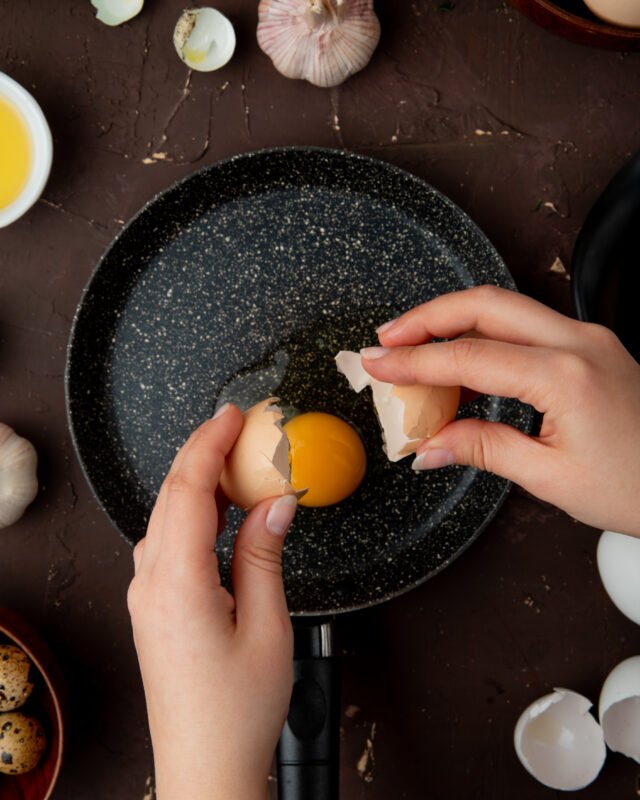
Cracking an egg is one of the first things we learn in the kitchen, yet it is one of the most common places where things go wrong. Whether you are making a simple omelet or baking a complex cake, getting a clean break is essential. In this comprehensive guide, we will explore how to crack an egg like a professional chef, ensuring no messy shells ruin your meal.
The Importance of the Right Technique
You might think, “It’s just an egg, why does it matter?” But a poor crack can lead to two main problems:
- Shell Fragments: Tiny bits of shell can hide in the egg white, making your food crunchy in a bad way.
- Broken Yolks: If you are making “Sunny Side Up” eggs or need to separate whites from yolks for baking, a jagged crack will puncture the yolk immediately.
The Flat Surface vs. The Bowl Edge
The biggest debate in how to crack an egg is where to strike it. Most people use the edge of a bowl or the side of a frying pan. However, professional chefs advise against this.
When you hit an egg on a sharp edge, it pushes the shell shards into the egg itself. This increases the chance of piercing the yolk and dragging bacteria from the outside of the shell into the edible part. The best way is to use a flat surface, like your kitchen countertop. This creates a more even, vertical crack that stays on the surface.
Step-by-Step Instructions
Step 1: Preparation
Always make sure your hands are clean. Also, it is a smart habit to crack your egg into a small, separate “waste” bowl first. This way, if the egg is spoiled or a shell falls in, you haven’t ruined your main ingredients.
Step 2: The Confident Tap
Hold the egg firmly in your hand. Give it one quick, confident tap against the flat counter. You are looking for a single horizontal crack. If you tap too lightly, you’ll bruise the shell. If you hit too hard, you’ll have a mess on your counter.
Step 3: The Opening
Hold the egg over your bowl. Place your thumbs on the crack and gently pull the two halves apart. Let the egg slide out naturally. If the inner membrane is still intact, use your thumb to poke through it gently.
Advanced Tips: How to Handle Shells
Even with the best technique, sometimes a piece of shell escapes. Here is the professional secret: Use the eggshell to catch the eggshell. Because of surface tension, your finger or a spoon will often “push” a tiny shell fragment away. However, the edge of a larger eggshell will cut through the egg white easily and act like a magnet to pick up the stray piece.
Separating Whites from Yolks
If your goal in learning how to crack an egg is to separate them, use the “Shell-to-Shell” method. Once you crack the egg, carefully move the yolk back and forth between the two shell halves, letting the white drip into the bowl below. Be careful—the sharp edges of a jagged shell can easily break the yolk.
Summary of Common Mistakes
- Tapping multiple times: This creates “shatter” marks and lots of tiny fragments. One firm tap is all you need.
- Using one hand too early: One-handed cracking looks cool, but until you master the pressure, it usually leads to broken yolks.
- Cracking cold eggs for baking: While cold eggs are easier to crack, room-temperature eggs are better for recipes. Let them sit out for 30 minutes before you start.
Conclusion
Now that you know how to crack an egg properly using the flat-surface method, your time in the kitchen will be much smoother. No more fishing for shells or dealing with broken yolks! Practice this simple habit, and soon you’ll be cracking eggs with the speed and precision of a pro.