
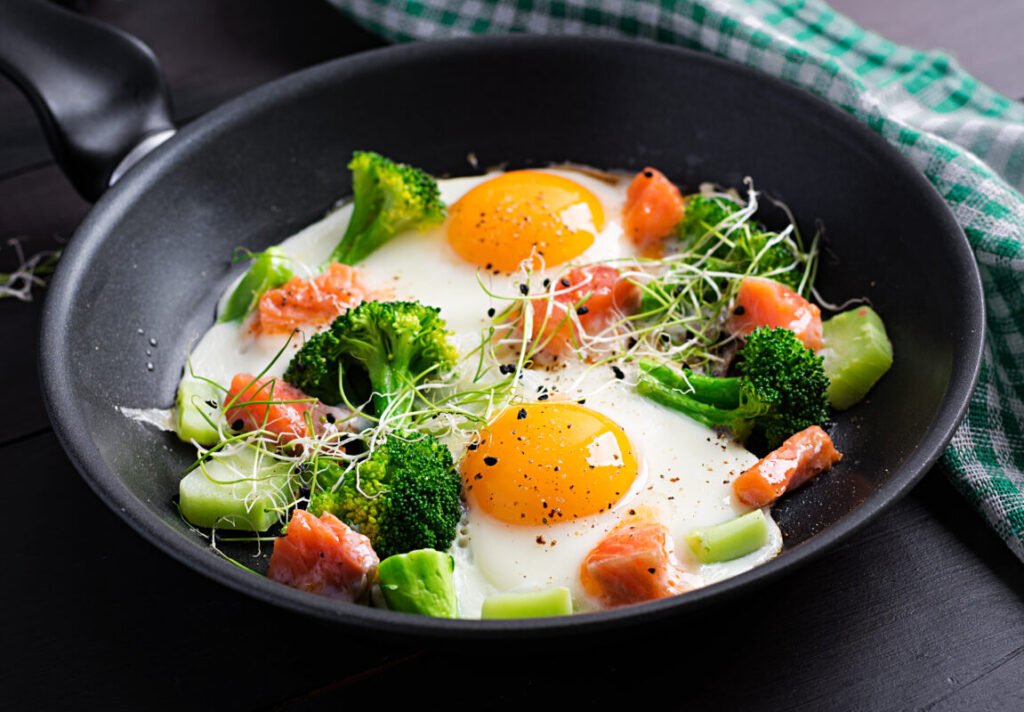
Pregnancy is a time when every meal matters. Many women ask about the best foods to support their baby’s growth. Among all options, eggs stand out as a superfood. If you want to know the real benefits of eggs in pregnancy, this guide is for you. Eggs are packed with essential nutrients that are hard to find elsewhere. They help both the mother and the developing baby in many ways.
Vital for Baby’s Brain Development
The most important reason for including eggs in pregnancy is Choline. This nutrient is essential for building a baby’s brain. Most people do not get enough choline from regular food. One large egg provides about 147mg of this vital nutrient. It helps prevent brain-related birth defects and improves memory and learning abilities in children later in life. By eating eggs, you are giving your baby a great head start.
High-Quality Protein for Healthy Growth
During pregnancy, your body needs extra protein because your baby’s tissues are growing rapidly. Eggs provide “complete protein,” meaning they contain all nine essential amino acids. These build muscles, skin, and organs for the baby. For the mother, protein supports the growing uterus and increased blood supply. It also keeps you feeling full, which prevents unhealthy weight gain.
The “Choline” Factor: Why Eggs are Brain Food for Your Baby
While many people focus on protein, eggs are actually one of the best dietary sources of Choline. This essential nutrient plays a critical role in your baby’s brain development, particularly the area of the brain responsible for memory and lifelong learning.
During pregnancy, Choline works alongside Folic Acid to help prevent neural tube defects. Adding two eggs to your daily diet can provide about half of the recommended daily intake of Choline, making it a “superfood” for your baby’s cognitive health.
Quick & Safe Egg Ideas for Morning Sickness
When pregnancy nausea (morning sickness) hits, finding a high-protein meal that stays down can be a challenge. Eggs are a great solution because they are easy to digest and quick to prepare. Here are a few safe ways to eat them:
- Hard-Boiled Eggs: Keep a few in the fridge for a quick, cold snack that doesn’t have a strong cooking smell (which often triggers nausea).
- Well-Done Veggie Omelet: Finely chop some spinach and tomatoes for added fiber and vitamins.
- The Safety Golden Rule: Always ensure the egg is cooked until both the white and yolk are firm. Avoid “sunny-side up” or runny yolks to eliminate any risk of Salmonella.
Pregnancy Myth vs. Fact
- Myth: Eggs have a “hot nature” and can cause miscarriage if eaten in early pregnancy.
- Fact: There is no scientific evidence to support this. In fact, medical experts recommend eggs as a nutrient-dense source of healthy fats and minerals, provided they are fully cooked.
Preventing Anemia with Iron and B12
Many pregnant women feel tired due to low iron levels. Eggs are a natural source of Iron and Vitamin B12, which are necessary for making healthy red blood cells. When your blood is healthy, it carries more oxygen to the baby. This prevents fatigue for the mother and supports a healthy birth weight. Adding eggs to your diet is an easy way to boost your energy levels naturally.
Supporting Bone Health with Vitamin D
Eggs are one of the few natural sources of Vitamin D. This vitamin is crucial for calcium absorption. Both the mother and the baby need it for strong bones and teeth. During pregnancy, the baby’s skeleton develops fast. If the mother lacks Vitamin D, it can affect the baby’s bone density. Including eggs in pregnancy helps maintain the right levels of this “sunshine vitamin” in your body.
Managing Blood Sugar Levels
Gestational diabetes is a risk for some women. To stay safe, it is important to eat low-carb foods. Eggs have no carbohydrates but are high in protein. This combination helps keep your blood sugar stable. Instead of eating bread or sugary snacks, choosing eggs is a much smarter move. It prevents sudden insulin spikes and keeps your energy steady throughout the day.
Omega-3 for Eye and Heart Health
Certain eggs are enriched with Omega-3 fatty acids. These fats are essential for the baby’s eye development and support heart health for the mother. If you can choose DHA-enriched eggs, they provide even more benefits. Healthy fats are also needed to absorb vitamins like Vitamin A and Vitamin E.
Safety First: How to Cook Eggs Properly
While there are many benefits to eggs in pregnancy, safety is the top priority. Pregnant women must avoid raw or undercooked eggs, including runny yolks or homemade mayo.
- The Risk: Raw eggs can contain Salmonella, which causes food poisoning.
- The Rule: Always cook eggs until both the white and the yolk are firm.
- Best Ways to Eat: Hard-boiled eggs, scrambled eggs, and well-cooked omelets are the safest options.
Conclusion
In short, eating eggs is a healthy habit for expectant mothers. They are affordable, delicious, and full of life-saving nutrients. From brain health to strong bones, eggs offer everything a developing baby needs. Just ensure they are fully cooked to stay safe. Consult your doctor if you have specific allergies, but for most, eggs remain a pregnancy essential.