
If you’ve been diagnosed with Polycystic Ovary Syndrome (PCOS), you’ve probably spent countless hours researching what foods help and what foods hurt your condition. One question that frequently arises is whether eggs are a friend or foe in managing PCOS symptoms.
The good news? Eggs can absolutely be part of a PCOS-friendly diet, and they might even become one of your best allies in managing symptoms.
Let’s delve into the relationship between eggs and PCOS, exploring the science, benefits, and practical ways to include this nutritional powerhouse in your daily routine. Whether you’re dealing with irregular periods, weight challenges, or insulin resistance, understanding how eggs fit into your PCOS management plan can make a real difference.
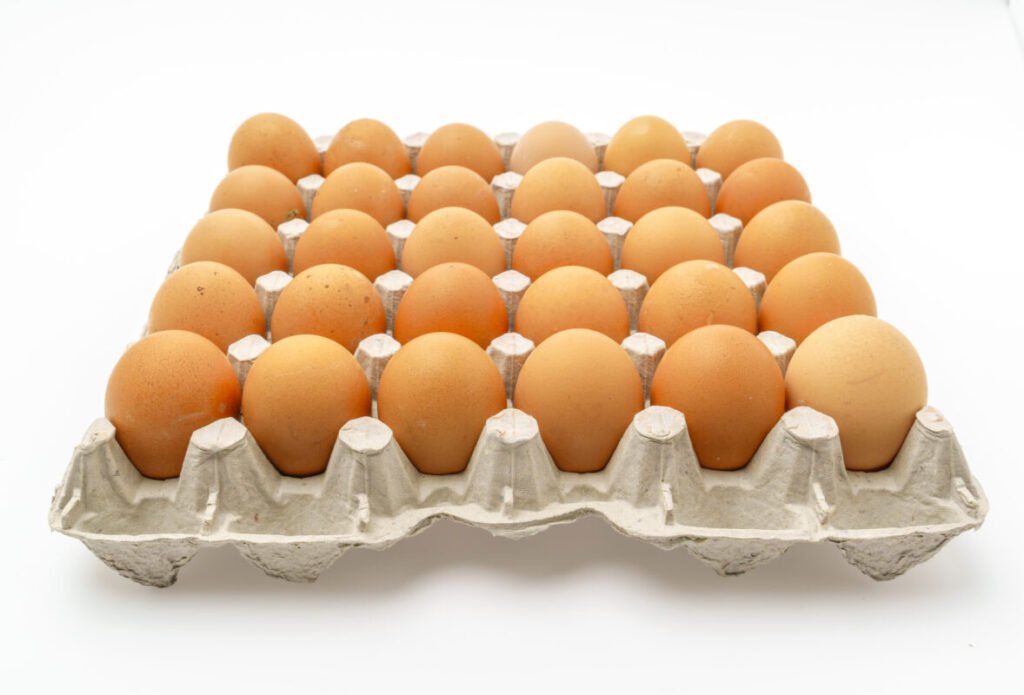
Understanding PCOS and Why Diet Matters
PCOS affects approximately 1 in 10 women of reproductive age, making it one of the most common hormonal disorders. The condition is characterized by hormonal imbalances, insulin resistance, and metabolic challenges that can impact everything from your menstrual cycle to your long-term health.
Diet plays a crucial role in managing PCOS because what you eat directly influences insulin levels, inflammation, and hormone production. When you choose nutrient-dense foods that stabilize blood sugar and reduce inflammation, you’re giving your body the tools it needs to restore balance.
This is where eggs enter the picture. As one of nature’s most complete protein sources, eggs offer a unique combination of nutrients that address several key concerns for women with PCOS.
How to Improve Egg Quality with PCOS
When we talk about egg quality in PCOS, we’re referring to the health and viability of the eggs produced by your ovaries. Women with PCOS often face challenges with egg quality due to hormonal imbalances and oxidative stress.
Your body needs specific nutrients to support healthy egg development, and dietary eggs happen to be rich in many of these essential compounds.
Antioxidants play a vital role in protecting your eggs from oxidative damage. Dietary eggs contain antioxidants like selenium and vitamin E, which help neutralize harmful free radicals that can damage cellular structures, including your reproductive cells.
Vitamin D is another critical nutrient for egg quality, and eggs are one of the few natural food sources that contain it. Research suggests that adequate vitamin D levels are associated with better reproductive outcomes in women with PCOS.
B vitamins, particularly folate and B12, are essential for DNA synthesis and cell division during egg maturation. Eggs provide these vitamins in highly bioavailable forms that your body can easily absorb and utilize.
Choline, abundantly found in egg yolks, supports cellular function and may play a role in reproductive health. This often-overlooked nutrient is crucial for various metabolic processes that affect overall fertility and hormonal balance.
To improve egg quality with PCOS, focus on consuming whole eggs rather than just egg whites. The yolk contains most of the nutrients beneficial for reproductive health, including the fat-soluble vitamins and choline.
Benefits of Eggs for PCOS
Eggs offer multiple benefits that make them particularly valuable for women managing PCOS. Understanding these advantages can help you make informed decisions about including them in your diet.
High-quality protein is perhaps the most significant benefit eggs provide. Each large egg contains about 6 grams of complete protein with all nine essential amino acids. This protein helps stabilize blood sugar levels, reducing the insulin spikes that worsen PCOS symptoms.
When you eat protein-rich foods like eggs, your body releases less insulin compared to when you eat carbohydrate-heavy meals. For women with PCOS, who often struggle with insulin resistance, this blood sugar stabilizing effect is incredibly important.
Eggs promote satiety and help control appetite, which can be particularly beneficial if you’re trying to manage weight. PCOS often makes weight management more challenging due to hormonal imbalances, but the protein and fat in eggs keep you feeling full longer, reducing the likelihood of overeating or reaching for unhealthy snacks.
The nutrient density of eggs means you’re getting maximum nutrition for relatively few calories. A large egg contains only about 70 calories but delivers vitamins A, D, E, and K, along with B vitamins, iron, zinc, and selenium.
Eggs support hormone production because cholesterol, found in egg yolks, is a precursor to hormone synthesis. Your body needs adequate cholesterol to produce sex hormones like estrogen and progesterone, which are often imbalanced in PCOS.
The omega-3 fatty acids in eggs, especially those from hens fed omega-3-enriched diets, help reduce inflammation. Chronic inflammation is a key feature of PCOS and contributes to insulin resistance and other metabolic problems.
Eggs are incredibly versatile and easy to prepare, making them a practical choice for busy mornings or quick meals. This convenience factor shouldn’t be underestimated when you’re trying to maintain consistent healthy eating habits.
Best Foods to Eat if You Have PCOS

Managing PCOS effectively requires a comprehensive approach to nutrition, not just adding eggs to your diet. Understanding which foods support your hormonal health helps you create sustainable eating patterns.
Lean proteins should form the foundation of your PCOS diet. Beyond eggs, include chicken, turkey, fish, and plant-based proteins like lentils and chickpeas. Protein helps regulate blood sugar and supports muscle maintenance, which is important for metabolic health.
Fatty fish like salmon, mackerel, and sardines provide omega-3 fatty acids that combat inflammation. These healthy fats also support hormone production and may help improve insulin sensitivity over time.
Leafy green vegetables such as spinach, kale, and Swiss chard are packed with nutrients and fiber while being low in calories and carbohydrates. They provide magnesium, which many women with PCOS are deficient in, and this mineral plays a role in insulin function.
Colorful vegetables like bell peppers, tomatoes, and carrots offer antioxidants that fight oxidative stress. The variety of colors ensures you’re getting different phytonutrients that support overall health.
Whole grains in moderation can be part of a PCOS-friendly diet. Choose options like quinoa, brown rice, and oats that have a lower glycemic impact and provide sustained energy without causing blood sugar spikes.
Nuts and seeds offer healthy fats, protein, and fiber. Almonds, walnuts, chia seeds, and flaxseeds are particularly beneficial. Ground flaxseeds may even help with hormonal balance due to their lignan content.
Berries are the best fruit choice for PCOS because they’re lower in sugar and high in antioxidants. Blueberries, strawberries, and raspberries can satisfy sweet cravings while providing beneficial nutrients.
Healthy fats from sources like avocados, olive oil, and coconut oil support hormone production and help you absorb fat-soluble vitamins. Don’t fear fat when managing PCOS, embrace the right kinds in appropriate amounts.
Fermented foods like Greek yogurt, kefir, and sauerkraut support gut health, which is increasingly recognized as important for hormone balance and insulin sensitivity.
Herbs and spices such as cinnamon, turmeric, and ginger have anti-inflammatory properties and may help improve insulin sensitivity. Cinnamon, in particular, has been studied for its potential benefits in PCOS management.
Best Foods to Avoid if You Have PCOS

Just as important as knowing what to eat is understanding what foods can worsen PCOS symptoms. Certain foods trigger inflammation, spike insulin levels, or disrupt hormonal balance.
Refined carbohydrates are among the worst offenders for PCOS. White bread, white rice, pastries, and most baked goods cause rapid blood sugar spikes followed by crashes, worsening insulin resistance over time.
Sugary foods and beverages should be minimized or eliminated. Sodas, fruit juices, candy, and desserts flood your system with sugar, forcing your pancreas to release large amounts of insulin. This creates a vicious cycle that exacerbates PCOS symptoms.
Processed foods often contain hidden sugars, unhealthy fats, and additives that promote inflammation. Packaged snacks, frozen meals, and fast food typically lack the nutrients your body needs while providing ingredients that work against your health goals.
Trans fats found in some margarines, fried foods, and commercially baked products increase inflammation and insulin resistance. Always check labels for partially hydrogenated oils and avoid them completely.
Excessive dairy can be problematic for some women with PCOS. While not everyone needs to eliminate dairy entirely, many women find that reducing or removing it helps with acne and other symptoms. If you do consume dairy, choose full-fat versions over low-fat, as the processing of low-fat dairy can make it less favorable for PCOS.
consumption in large quantities may promote inflammation. While you don’t need to become a vegetarian, consumption your limiting red meat and choosing grass-fed options when you do eat it can be beneficial.
Alcohol affects hormone metabolism and liver function, and it’s essentially empty calories that can contribute to weight gain. If you choose to drink, do so in moderation and avoid sugary mixed drinks.
What Not to Eat When You Have PCOS
Understanding specific dietary pitfalls helps you navigate social situations and make better choices when dining out or grocery shopping.
Breakfast cereals, even those marketed as healthy, are often loaded with sugar and refined grains. They cause rapid blood sugar increases that trigger insulin release, starting your day on the wrong metabolic foot.
Flavored yogurts typically contain as much sugar as ice cream. If you enjoy yogurt, choose plain Greek yogurt and add your own berries and a small amount of natural sweetener if needed.
Granola and energy bars seem healthy but are often sugar bombs with minimal protein. Check labels carefully, and consider making your own protein-rich snacks at home.
Fruit juice concentrates all the sugar from fruit while removing the beneficial fiber. Even 100% fruit juice can spike blood sugar levels rapidly. Eat whole fruits instead, preferring berries and other low-glycemic options.
Gluten may be inflammatory for some women with PCOS, though this isn’t universal. If you notice symptoms like bloating, fatigue, or worsened PCOS signs after eating gluten-containing foods, consider trying a elimination period to see if you feel better.
Soy products are controversial in PCOS. While moderate amounts of whole soy foods like edamame might be fine, heavily processed soy products and large quantities may affect hormone levels in some women.
Artificial sweeteners might seem like a good alternative to sugar, but research suggests they can still affect insulin response and gut bacteria. If you need sweetness, small amounts of natural options like stevia may be better choices.
Can I Eat Boiled Eggs in PCOS?
Boiled eggs are actually one of the best ways to prepare eggs when you have PCOS. This cooking method preserves all the nutrients without adding any extra fats or calories from cooking oils.
Hard-boiled eggs are incredibly convenient for meal prep. You can prepare a batch at the beginning of the week and have ready-to-eat protein available for breakfast, snacks, or quick meals.
The gentle cooking method of boiling doesn’t create harmful compounds that can form when eggs are fried at high temperatures. This makes boiled eggs a cleaner, healthier option that supports your anti-inflammatory goals.
Soft-boiled eggs, with their runny yolks, retain even more heat-sensitive nutrients. The liquid yolk indicates that the cholesterol hasn’t been oxidized, which is preferable from a health perspective.
You can easily incorporate boiled eggs into various meals. Slice them onto salads, mash them for egg salad with avocado instead of mayo, or simply eat them with a sprinkle of salt and pepper.
The protein in boiled eggs has high bioavailability, meaning your body can efficiently use the amino acids for various functions, from building muscle to producing hormones.
Are Eggs Good or Bad for PCOS?
This question deserves a nuanced answer because individual responses can vary, but the overall evidence strongly supports eggs as beneficial for most women with PCOS.
Eggs are good for PCOS when consumed as part of a balanced, whole-foods diet. They provide essential nutrients that address several underlying issues in PCOS, including insulin resistance, inflammation, and hormonal imbalances.
The concern some people have about eggs typically relates to cholesterol content. However, dietary cholesterol doesn’t significantly impact blood cholesterol levels for most people. In fact, your body needs cholesterol to produce hormones, and restricting it too much could potentially worsen hormonal imbalances.
Research has shown that eggs don’t adversely affect cardiovascular health markers in most people. For women with PCOS, the benefits of the protein, vitamins, and minerals in eggs generally outweigh any theoretical concerns about cholesterol.
Some women with PCOS might have sensitivities to eggs, but this is relatively uncommon. If you suspect an egg sensitivity, try eliminating them for a few weeks and reintroducing them to see if you notice any changes in symptoms.
The quality of eggs matters. Whenever possible, choose eggs from pasture-raised hens or those enriched with omega-3s. These eggs have better nutritional profiles with higher levels of beneficial nutrients and healthier fat ratios.
Eggs become problematic only when prepared in unhealthy ways or when they’re part of an overall poor diet. An egg fried in inflammatory vegetable oil and served with white toast and sugary jam is very different from a vegetable omelet made with olive oil or boiled eggs with a side of berries.
How Many Eggs Can You Eat with PCOS?
The appropriate number of eggs for someone with PCOS depends on individual factors, but most women can safely consume one to three eggs daily as part of a varied diet.
1 or 2 eggs for breakfast provide substantial protein without overdoing any single food. This amount gives you the nutritional benefits while leaving room for dietary variety throughout the day.
Some women following lower-carbohydrate approaches to managing PCOS may eat more eggs, sometimes up to six per week or more. If you’re eating more eggs, ensure you’re also consuming plenty of vegetables and other nutrient-dense foods.
Listen to your body and monitor how you feel. Some women do best with eggs daily, while others might prefer them a few times per week. There’s no one-size-fits-all answer.
Consider your overall protein intake from all sources. If you’re eating eggs, fish, poultry, and plant proteins throughout the day, you’re getting dietary variety that ensures a broad spectrum of nutrients.
Work with a healthcare provider or registered dietitian who understands PCOS to determine the right amount for your specific situation. They can consider factors like your insulin sensitivity, lipid levels, and overall dietary pattern.
Best Ways to Prepare Eggs for PCOS
The cooking method you choose can significantly impact how healthy your eggs are for managing PCOS. Some preparation methods preserve nutrients better while avoiding inflammatory compounds.
Boiled eggs, as mentioned earlier, are an excellent choice. They require no added fat and preserve all the egg’s natural nutrients. Keep them refrigerated and eat within a week.
Poached eggs offer similar benefits to boiled eggs with a different texture. The gentle cooking in water prevents nutrient loss while creating a delicious runny yolk that’s perfect over vegetables or whole-grain toast.
Scrambled eggs can be PCOS-friendly when cooked in a small amount of olive oil or grass-fed butter over medium-low heat. Avoid cooking them in inflammatory vegetable oils or margarine.
Omelets loaded with vegetables are perhaps the best way to eat eggs for PCOS. Pack them with spinach, mushrooms, tomatoes, and peppers to boost fiber, vitamins, and antioxidants while creating a filling, balanced meal.
Baked eggs or egg muffins are perfect for meal prep. Mix eggs with vegetables, pour into muffin tins, and bake for convenient grab-and-go breakfasts throughout the week.
Avoid frying eggs in excessive oil or butter at high temperatures. High-heat cooking can oxidize the cholesterol in eggs and create inflammatory compounds. If you do fry eggs, use minimal healthy fat over medium heat.
Sunny-side-up or over-easy preparations are fine as long as you’re not using excessive oil. The runny yolk indicates that nutrients remain intact and cholesterol hasn’t been heavily oxidized.
Combining Eggs with Other PCOS-Friendly Foods
Creating balanced meals that include eggs maximizes their benefits for PCOS management. The right combinations stabilize blood sugar and provide comprehensive nutrition.
Pair eggs with non-starchy vegetables to add fiber, vitamins, and volume to your meal without significantly increasing carbohydrates. Spinach, asparagus, bell peppers, and zucchini are excellent choices.
Add healthy fats like avocado to your egg-based meal. The combination of protein from eggs and healthy fats from avocado creates a highly satiating meal that keeps blood sugar stable for hours.
Include small portions of complex carbohydrates if desired. A slice of sprouted grain bread or a small serving of sweet potato can round out your meal while still maintaining good blood sugar control.
Consider adding anti-inflammatory herbs and spices to your eggs. Turmeric, black pepper, parsley, and chives not only enhance flavor but also provide additional health benefits.
Green tea or herbal tea makes an excellent beverage alongside your egg-based meal. These drinks provide antioxidants without the blood sugar impact of juice or the potential hormone disruption of excess caffeine.
Creating a breakfast bowl with eggs, quinoa, roasted vegetables, and a tahini drizzle provides a complete meal with protein, healthy fats, fiber, and complex carbohydrates in balanced proportions.
Potential Concerns and Considerations
While eggs are generally beneficial for PCOS, a few considerations ensure you’re making the best choices for your individual situation.
Egg quality matters significantly. Conventionally raised hens produce eggs with different nutritional profiles than pasture-raised hens. If budget allows, choose organic, pasture-raised eggs for better omega-3 content and overall nutrition.
Some women with PCOS also have other conditions like high cholesterol or cardiovascular concerns. If you have these additional health issues, discuss egg consumption with your healthcare provider to ensure it fits your overall health management plan.
Food sensitivities or allergies to eggs do exist, though they’re more common in children than adults. If you experience digestive issues, skin problems, or other symptoms after eating eggs, consider an elimination trial or allergy testing.
Medication interactions are rare with eggs, but if you’re taking specific medications for PCOS or other conditions, verify with your pharmacist or doctor that there are no dietary restrictions.
Balance remains key in any healthy diet. While eggs are nutritious, eating only eggs would deprive you of other important nutrients found in vegetables, fruits, whole grains, and other protein sources.
Implementing eggs into your PCOS management plan becomes easier with practical meal ideas and planning strategies. Below is a complete 7-day meal plan that shows you exactly how to incorporate eggs into a balanced, PCOS-friendly diet.
Your 7-Day PCOS-Friendly Egg Meal Plan
| Day | Breakfast | Mid-Morning Snack | Lunch | Evening Snack | Dinner |
|---|---|---|---|---|---|
| Monday | 2 boiled eggs with avocado and spinach, 1 cup green tea | Handful of almonds with 1 small apple | Grilled chicken salad with olive oil dressing, mixed greens | Greek yogurt with berries and chia seeds | Baked salmon with roasted vegetables and quinoa |
| Tuesday | Vegetable omelet (spinach, tomatoes, mushrooms) with berries | Carrot sticks with hummus | Lentil soup with whole grain crackers | 2 boiled eggs | Stir-fried tofu with broccoli and brown rice |
| Wednesday | Scrambled eggs with sautéed peppers and onions, herbal tea | Walnuts and a pear | Turkey and avocado lettuce wraps with cucumber | Celery with almond butter | Grilled chicken breast with sweet potato and green beans |
| Thursday | Egg muffins (prepped with vegetables) and strawberries | Pumpkin seeds with blueberries | Quinoa bowl with chickpeas, mixed vegetables, tahini dressing | Cheese cubes and cherry tomatoes | Baked cod with asparagus and cauliflower rice |
| Friday | Poached eggs over sautéed kale with whole grain toast | Sliced cucumber with guacamole | Chicken and vegetable stir-fry with minimal brown rice | 2 hard-boiled eggs | Grilled shrimp with zucchini noodles and marinara sauce |
| Saturday | Shakshuka (eggs in tomato sauce) with herbs and spices | Mixed nuts and raspberries | Tuna salad with leafy greens and olive oil | Greek yogurt with cinnamon | Turkey meatballs with roasted Brussels sprouts and quinoa |
| Sunday | Vegetable frittata with feta cheese and mixed berries | Apple slices with peanut butter | Grilled salmon salad with avocado and mixed vegetables | Edamame with sea salt | Baked chicken thighs with roasted cauliflower and leafy greens |
Meal Planning Tips for Success
Start your day with an egg-based breakfast three to five times per week, as shown in the plan above. This provides sustained energy and helps control blood sugar throughout the morning.
Prep hard-boiled eggs on Sunday for easy snacks and quick meals throughout the week. Having them readily available makes it easier to choose this healthy option when hunger strikes.
Use eggs to increase the protein content of other meals. Add a fried egg on top of a grain bowl, include chopped boiled eggs in your salad, or make egg drop soup with bone broth and vegetables.
Experiment with different preparations to prevent boredom. Try shakshuka, cloud eggs, egg curry, or Spanish tortilla to keep your meals interesting and satisfying.
Keep your pantry stocked with PCOS-friendly ingredients that pair well with eggs. Olive oil, vegetables, herbs, spices, and whole grains ensure you can always create a balanced, nutritious meal.
Track how you feel after eating eggs to understand your individual response. Some women notice improved energy and satiety, while others might need to adjust portion sizes or frequency.
Key Points About This Meal Plan
This 7-day plan includes eggs in various forms throughout the week, showing you the versatility of this nutritious food. Notice how eggs appear primarily at breakfast and as snacks, providing high-quality protein when you need it most.
Each meal is balanced with protein, healthy fats, and fiber-rich vegetables or whole grains. This combination helps stabilize blood sugar and supports insulin sensitivity, which is crucial for PCOS management.
The plan incorporates variety to ensure you’re getting a wide range of nutrients from different food sources. While eggs are featured prominently, you’re also eating fish, poultry, legumes, and plenty of vegetables.
Snacks are strategically placed between meals to prevent blood sugar crashes and reduce cravings. The combination of protein, healthy fats, and fiber in each snack keeps you satisfied until your next meal.
You can adjust portion sizes based on your individual calorie needs, activity level, and weight management goals. This plan serves as a template that you can customize to fit your lifestyle.
Feel free to swap meals around or repeat your favorites. The goal is to find sustainable eating patterns that you enjoy and can maintain long-term, not to follow a rigid plan that feels restrictive.
Remember that successful PCOS management extends beyond just food choices. Adequate sleep, stress management, regular physical activity, and proper supplementation when needed all work together with your dietary choices to improve symptoms and overall health.
Eggs can be a valuable ally in your journey to manage PCOS effectively. Their nutrient density, protein content, and versatility make them an excellent choice for most women dealing with this condition. By preparing them in healthy ways and combining them with other wholesome foods, you create meals that support hormonal balance, improve insulin sensitivity, and help you feel your best.
The key is making eggs part of an overall healthy lifestyle rather than viewing any single food as a magic solution. With consistency, patience, and a comprehensive approach to PCOS management, you can work toward better health and symptom control. Start incorporating eggs into your diet today and pay attention to how your body responds. You might just find that this simple, affordable food becomes one of your favorite tools for managing PCOS naturally.