
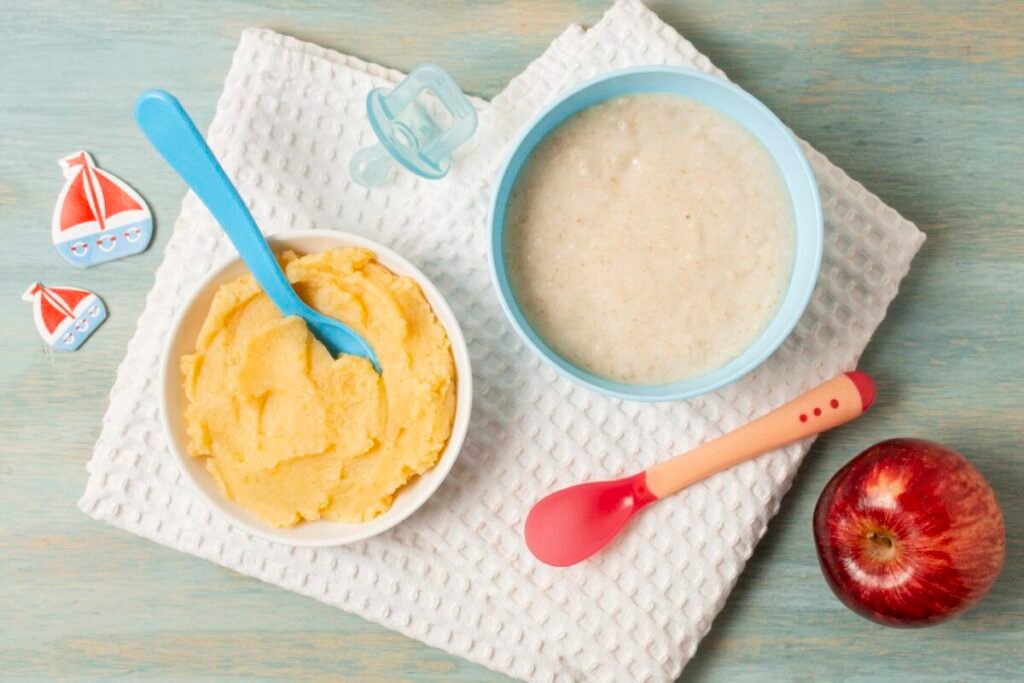
Here’s a clear, practical breakdown of baby-feeding-schedule-6-12-months-meal-plans, including a typical feeding schedule, portion guidelines, progression, and sample daily meal plans. This is based on recommendations from trusted sources, including the World Health Organization (WHO), the American Academy of Pediatrics (AAP), the CDC, and pediatric nutrition experts. Every baby is unique, so adjust based on your child’s hunger cues, growth, and pediatrician’s advice—especially if your baby was premature or has specific health needs.
Quick Overview of the 6-12 Month Period
- 6 months: Solids begin as a complement to breast milk or formula (still the main nutrition source). Start with 1-2 small solid “meals” per day.
- 7-9 months: Solids increase to 2-3 meals daily, with more variety and thicker textures.
- 10-12 months: Solids become more prominent (3 meals + snacks), with family foods, finger foods, and reduced milk feeds.
- Breast milk/formula intake gradually decreases from ~24-32 oz (710-946 ml) at 6 months to ~20-30 oz (591-887 ml) by 10-12 months.
- Focus on iron-rich foods first (e.g., fortified cereal, pureed meat, lentils) since natural iron stores deplete around 6 months.
- Always introduce one new food at a time (wait 3-5 days) to check for allergies.
General Feeding Schedule Progression (6-12 Months)
This is a flexible guide—follow your baby’s signals rather than a strict clock. Offer solids after a milk feed initially (to avoid frustration if hungry), then shift to solids first as they grow.
- 6-7 months
- Milk feeds: 5-8 times/day (24-32 oz total).
- Solids: 1-2 times/day (start with 1-2 tsp to 2-4 tbsp per sitting).
- Typical day: Milk → small solid → milk, repeated.
- 8-9 months
- Milk feeds: 4-6 times/day (24-30 oz).
- Solids: 2-3 meals/day (increase to ¼-½ cup portions per food group).
- Add soft finger foods and snacks if interested.
- 10-12 months
- Milk feeds: 3-5 times/day (16-30 oz, or 3-4 sessions if breastfeeding).
- Solids: 3 meals + 1-2 snacks/day.
- Transition to chopped family foods; offer water in a sippy cup.
Offer food every 2-3 hours during the day (5-6 feeding opportunities total, including milk). No strict night feeds needed by 9-12 months if growth is good.
Nutritious Baby Food Recipes & Ideas (6 to 12 Months)
| Recipe Name | Age Range | Main Ingredients | Texture | Key Nutrients & Benefits | Simple Preparation Steps |
|---|---|---|---|---|---|
| Sweet Potato & Carrot Puree | 6-8 months | Sweet potato, carrot, breast milk/formula | Smooth puree | Vitamin A, fiber, iron boost | Steam veggies until soft → blend with liquid → serve warm |
| Avocado Banana Mash | 6-9 months | Ripe avocado, banana | Creamy mash | Healthy fats, potassium, easy digestion | Mash together with fork → no cooking needed |
| Apple & Pear Sauce | 6-8 months | Apple, pear, dash of cinnamon (optional) | Smooth puree | Vitamin C, gentle on tummy | Peel, core, steam → puree until smooth |
| Peas & Mint Puree | 6-9 months | Fresh/frozen peas, fresh mint leaves | Smooth to slightly chunky | Protein, vitamin K, iron | Boil peas → blend with mint & water |
| Lentil & Rice Khichdi Puree | 7-10 months | Red lentils (daal), rice, carrot | Thick puree/mash | Iron, protein, carbs for energy | Cook together softly → mash or blend lightly |
| Broccoli & Cheese Mash | 8-10 months | Broccoli, mild cheese (optional), potato | Mashed with small lumps | Calcium, vitamin C, folate | Steam veggies → mash with cheese |
| Banana Oat Pancake Fingers | 8-12 months | Mashed banana, oats, egg | Soft finger food | Iron from oats, easy self-feeding | Mix → cook small pancakes → cut into strips |
| Steamed Carrot Sticks | 8-12 months | Carrot | Soft finger food | Beta-carotene for eyes | Steam until very soft → cut into long sticks |
| Mango & Yogurt Blend | 8-10 months | Ripe mango, plain yogurt | Creamy with chunks | Vitamin C, probiotics | Puree mango → mix with yogurt |
| Egg & Spinach Scramble | 9-12 months | Egg, spinach, soft cheese | Soft scrambled pieces | Choline for brain, iron | Scramble softly → cut small |
| Sweet Potato Wedges | 9-12 months | Sweet potato | Soft baked wedges | Vitamin A, fiber | Bake until soft → cut into wedges |
| Chicken & Veggie Mash | 9-12 months | Minced chicken, zucchini, potato | Mashed with texture | High iron, protein for growth | Cook chicken & veggies → mash together |
Sample Daily Meal Plans by Age
These are realistic examples inspired by AAP, CDC, Solid Starts, and UNICEF guidelines. Portions are approximate—let baby guide (stop when they turn away or slow down).
6-7 Months baby feeding (Starting Phase – Smooth Purees)
- Wake-up: Breast milk or formula (6-8 oz).
- Breakfast: 1-2 tbsp iron-fortified oatmeal mixed with breast milk/formula + mashed banana (1-2 tbsp).
- Mid-morning: Milk feed (6-8 oz).
- Lunch: 1-2 tbsp pureed sweet potato or carrot + 1 tbsp pureed lentils or meat.
- Afternoon: Milk feed (6-8 oz).
- Dinner: 1-2 tbsp mashed avocado or pear.
- Evening/Bedtime: Milk feed (6-8 oz).
- Total solids: 2 small meals (~2-4 tbsp each). Focus on iron + variety.
8-9 Months baby feeding (Thicker Mashes + Soft Finger Foods)
- Wake-up: Milk feed (6-8 oz).
- Breakfast: 2-4 tbsp iron-fortified cereal or mashed oats + mashed fruit (banana/blueberries, 2-4 tbsp) + a small spoonful.
- Mid-morning snack: Milk feed or small soft finger food (steamed broccoli floret).
- Lunch: ¼ cup mashed veggies (carrot/peas) + 2-4 tbsp pureed/minced chicken or egg + 2 tbsp lentils.
- Afternoon: Milk feed (6-8 oz).
- Dinner: ¼ cup soft pasta or rice + mashed sweet potato + soft protein (tofu or fish flake).
- Bedtime: Milk feed (6-8 oz).
- Total solids: 3 meals (~¼ cup per main food group). Introduce allergens like egg/peanut butter early.
10-12 Months baby feeding (Chopped Foods + Family Meals)
- Wake-up: Milk feed (6-8 oz) or small solid snack.
- Breakfast: ¼-½ cup whole-grain toast strips with thin peanut butter + flattened blueberries + small cheese piece.
- Mid-morning snack: Milk (4-6 oz) + soft fruit pieces (apple/pear slices).
- Lunch: ¼-½ cup chopped veggies (steamed green beans) + ¼ cup flaked salmon or minced chicken + ¼ cup soft rice/quinoa.
- Afternoon snack: Yogurt or small finger foods (steamed carrot sticks).
- Dinner: Family-style minced meal (e.g., 3-4 tbsp sweet potato wedges, green beans, ground meat or beans).
- Evening: Milk feed (6-8 oz) if needed.
- Total solids: 3 meals + 1-2 snacks. Offer water with meals.
Key Tips for Success in This Age Range
- Start small and build: Begin with 2-3 spoonfuls; increase as baby accepts.
- Textures evolve: Smooth purees (6-8 mo) → mashed/lumpy (8-10 mo) → soft chunks/finger foods (10-12 mo).
- Variety matters: Aim for fruits, veggies, grains, proteins, and dairy daily.
- Hydration: Offer sips of water (in an open or sippy cup) with solids after 6 months.
- Safety: No honey, cow’s milk as a drink, added salt/sugar, or choking hazards (whole nuts/grapes).
- Mess is good: Encourage self-feeding for motor skills and a positive food relationship.
This phase builds healthy eating habits—be patient, responsive, and fun! If your baby refuses solids, seems unwell, or isn’t gaining weight well, check with your pediatrician. For more personalized plans, resources like Solid Starts or local health guidelines.