
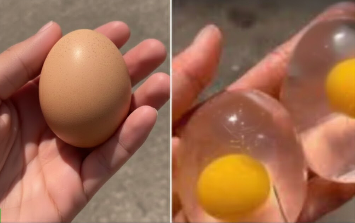
Have you ever wondered if the eggs you’re buying from the market are genuine?
With the rise of food adulteration and counterfeit products, fake eggs have become a growing concern for consumers worldwide. These artificial eggs, made from chemicals and synthetic materials, look remarkably similar to real eggs but lack the nutritional value and can pose serious health risks.
Whether you’re a home cook, a health-conscious consumer, or an egg farmer looking to educate your customers, knowing how to distinguish between real and fake eggs is crucial.
The good news is that you don’t need laboratory equipment or expensive testing kits to identify counterfeit eggs.
5 Easy Ways to Identify Real vs Fake Eggs.
- Visual Inspection: Check shell appearance, texture, color consistency, and pore visibility
- Water Test: Observe how the egg behaves when placed in water
- Shake Test: Listen for unusual sounds or liquid movement inside the egg
- Texture Test: Feel the shell surface, weight, and temperature response
- Crack Test: Examine the yolk firmness, white consistency, and overall appearance when opened
Significance of Real Eggs
Real eggs are nature’s powerhouse of nutrition, offering benefits that no artificial substitute can replicate.
For centuries, eggs have been a dietary staple across cultures, providing high-quality protein, essential vitamins, and minerals that support overall health and well-being.
Nutritional Excellence
Real eggs contain all nine essential amino acids that your body cannot produce on its own. A single large egg provides approximately 6 grams of high-quality protein, making it one of the most bioavailable protein sources available.
The egg yolk is particularly rich in nutrients. It contains vitamins A, D, E, and K, as well as B-complex vitamins including B12, riboflavin, and folate. These vitamins play crucial roles in energy metabolism, brain function, and maintaining healthy skin and eyes.
Real eggs are also an excellent source of choline, a nutrient essential for brain development and function. Many people don’t get enough choline in their diets, making eggs a valuable dietary addition.
Natural and GMO-Free
One of the most important aspects of real eggs is that they are naturally GMO-free. Chickens lay eggs as part of their biological process, and the eggs themselves cannot be genetically modified.
When chickens are fed non-GMO feed and raised in natural conditions, their eggs remain completely free from genetic modification. This makes real eggs a pure, natural food source that hasn’t been altered in a laboratory.
Even conventionally raised chickens produce eggs that are GMO-free products. The genetic makeup of the egg itself remains natural regardless of farming practices.
Health Benefits Beyond Nutrition
Real eggs support eye health through lutein and zeaxanthin, two antioxidants that accumulate in the retina and help prevent age-related macular degeneration and cataracts.
They promote heart health by raising HDL (good) cholesterol levels. Studies have shown that consuming eggs regularly can improve cholesterol profiles in most individuals.
Real eggs also aid in weight management. The high protein content helps you feel fuller for longer, reducing overall calorie intake throughout the day.
Economic and Sustainable Value
For egg farmers and consumers alike, real eggs represent sustainable agriculture. Chickens efficiently convert feed into high-quality protein, making egg production an environmentally responsible choice compared to many other animal protein sources.
Real eggs support local economies and small-scale farmers. When you purchase authentic eggs from trusted sources, you’re not only supporting sustainable food systems but also contributing to the well-being of agricultural communities.
The versatility of real eggs in cooking makes them invaluable in kitchens worldwide. From baking to frying, boiling to poaching, real eggs perform in ways that artificial substitutes cannot match.
Safety and Quality Assurance
| Testing Method | Real Eggs | Fake Eggs |
|---|---|---|
| Visual Appearance | Matte shell with slight texture, natural color variations, visible pores | Shinier shell, uniform color, smooth surface, less visible pores |
| Weight & Feel | Natural weight distribution, slightly rough texture | May feel lighter or unnaturally uniform |
| Shake Test | No sound or minimal movement inside | Sloshing or unusual liquid movement sound |
| Water Test | Sinks to bottom (fresh) or stands upright (older) | May float or behave unnaturally in water |
| Cracked Open – White | Thick, viscous, stays together, cloudy appearance | Watery, spreads quickly, clear or too uniform |
| Cracked Open – Yolk | Round, firm, centered, natural color variations | Breaks easily, artificial color, may lack membrane |
| Cooking Behavior | Sets properly, natural texture, characteristic smell | Rubbery texture, chemical smell, unusual cooking behavior |
| Smell Test | Mild, natural eggy smell | Chemical odor or no smell at all |
Understanding Fake Eggs: How They Are Made and Why?
Fake eggs, also known as artificial eggs, are counterfeit products designed to mimic the appearance and texture of real eggsbut are made entirely from chemicals and synthetic materials.
Understanding how these fake eggs are manufactured helps you appreciate why they’re dangerous and why identification is so critical.
The Manufacturing Process
Fake eggs are manufactured through a chemical process that has no connection to natural egg production or the raising of chickens. The process typically begins with creating the egg white substitute using chemicals like sodium alginate, a substance derived from seaweed.
Manufacturers mix sodium alginate with water and other chemicals to create a gel-like substance that resembles raw egg white. This mixture is carefully controlled to achieve the right consistency and appearance.
The fake yolk is created separately using similar chemicals, with the addition of food coloring agents like tartrazine or sunset yellow to achieve the characteristic yellow-orange color of real yolks.
Calcium chloride plays a crucial role in the manufacturing process. When the sodium alginate mixture comes into contact with calcium chloride solution, it forms a thin membrane, creating the yolk’s outer layer.
Creating the Shell
The shell of fake eggs is perhaps the most impressive part of the deception. Manufacturers use calcium carbonate, the same mineral found in real eggshells, mixed with gypsum powder and other binding agents.
This mixture is molded around the artificial egg white and yolk assembly. The result is a shell that looks and feels remarkably similar to a genuine eggshell.
Some fake egg producers even add subtle texture and coloring to the shell to make it appear more authentic, including creating counterfeit pores on the surface.
Why Are Fake Eggs Made?
The primary motivation behind fake egg production is profit. Artificial eggs can be manufactured at a fraction of the cost of raising chickens and collecting real eggs.
In regions where egg prices are high or demand exceeds supply, unscrupulous manufacturers see an opportunity to deceive consumers and maximize profits.
Fake eggs have a longer shelf life than real eggs because they don’t contain organic matter that spoils quickly. This makes storage and distribution easier for counterfeiters.
Some manufacturers claim they’re creating fake eggs as a sustainable alternative to animal products. However, the health risks and deceptive marketing practices undermine any potential environmental benefits.
Geographic Prevalence
Fake eggs first gained attention in Asian markets, particularly in areas with high population density and significant egg consumption. Reports of fake eggs have emerged from various countries where food safety regulations may be less stringent.
However, as global food supply chains become more interconnected, the risk of fake eggs appearing in markets worldwide has increased. This makes consumer awareness and identification skills essential everywhere.
The Scale of the Problem
While exact numbers are difficult to determine, food safety authorities in several countries have seized large quantities of fake eggs in recent years.
The sophistication of fake egg production has improved over time, making them harder to detect without careful examination. This is why learning multiple identification methods is so important.
Consumer reports and food safety investigations have revealed that fake eggs can infiltrate legitimate supply chains, sometimes without the knowledge of retailers or distributors.
Economic Impact on Farmers
Fake eggs don’t just harm consumers; they also devastate honest egg farmers. When fake eggs flood the market at lower prices, legitimate producers struggle to compete.
This creates unfair market conditions and can drive small-scale farmers out of business, disrupting local food systems and rural economies.
Understanding the manufacturing process and motivations behind fake eggs emphasizes why vigilance is necessary when purchasing eggs and why supporting trusted sources matters for food safety and agricultural sustainability.
Fake Eggs Side Effects
Consuming fake eggs can have serious health consequences because these products contain chemicals never intended for human consumption.
Understanding the potential side effects helps you appreciate the importance of identifying and avoiding artificial eggs.
Immediate Health Concerns
The chemicals used in fake eggs can cause immediate digestive problems. Many people who unknowingly consume fake eggs report stomach pain, nausea, and digestive discomfort within hours of eating them.
Sodium alginate, while generally recognized as safe in small food additive amounts, is used in much higher concentrations in fake eggs. Consuming large quantities can lead to bloating, gas, and intestinal distress.
Artificial colorants used to mimic yolk color, particularly tartrazine and other synthetic dyes, can trigger allergic reactions in sensitive individuals. Symptoms may include skin rashes, hives, and respiratory difficulties.
Some people experience headaches and dizziness after consuming fake eggs, likely due to the chemical composition affecting neurological function.
Long-Term Health Risks
Repeated consumption of fake eggs poses more serious long-term health risks that may not be immediately apparent.
The lack of genuine nutrition in fake eggs means your body isn’t receiving the essential amino acids, vitamins, and minerals it needs. Over time, this nutritional deficiency can lead to weakened immunity, poor bone health, and decreased energy levels.
Certain chemicals used in fake egg production have been linked to liver and kidney problems when consumed regularly. These organs work to filter toxins from your body, and constant exposure to artificial egg chemicals can strain their function.
Studies on food additives suggest that chronic exposure to synthetic substances may increase cancer risk, though more research is needed specifically on fake egg consumption patterns.
Impact on Children and Vulnerable Groups
Children are particularly vulnerable to the harmful effects of fake eggs. Their developing bodies require genuine nutrition for proper growth, and fake eggs provide none of the essential nutrients needed for development.
Pregnant women who consume fake eggs instead of real ones miss out on critical nutrients like choline and folate, which are essential for fetal brain development.
Elderly individuals and people with compromised immune systems may experience more severe reactions to the chemicals in fake eggs compared to healthy adults.
Nutritional Void
Perhaps the most insidious side effect of fake eggs is what you’re not getting: real nutrition.
When you eat a fake egg thinking it’s real, you’re missing out on high-quality protein, essential vitamins, healthy fats, and minerals that your body needs for optimal function.
This nutritional void can contribute to malnutrition, especially in communities where this food is a primary protein source and where fake eggs are more prevalent.
Toxicity Concerns
Some chemicals used in fake egg production, such as certain plasticizers and stabilizers, can accumulate in body tissues over time. This bioaccumulation may lead to toxic effects that only become apparent after prolonged exposure.
The calcium chloride used in excessive amounts can affect calcium balance in the body, potentially impacting bone health and cardiovascular function.
Psychological and Social Impact
Beyond physical health, discovering you’ve been consuming fake eggs can cause significant psychological distress and loss of trust in food systems.
Food fraud undermines consumer confidence and creates anxiety about food safety, affecting overall well-being and quality of life.
Why These Side Effects Matter
The health risks associated with fake eggs underscore the critical importance of learning to identify them. While one instance of consuming a fake egg might not cause severe harm, regular consumption can lead to significant health problems.
This is especially concerning in areas where fake eggs are widespread, and consumers may unknowingly eat them regularly over extended periods.
Protecting yourself and your family from these side effects starts with education and vigilance in identifying authentic eggs using the methods outlined in this guide.
How To Identify Plastic Eggs: Health Risks They Can Cause
Plastic eggs, a term often used interchangeably with fake or artificial eggs, represent a serious food safety concern that requires immediate attention and awareness.
These chemically manufactured products pose unique identification challenges and health risks that every consumer should understand.
What Are Plastic Eggs?
Physical appearance – Smooth, uniform surface with a consistent sheen or matte finish, often lacking the natural texture and subtle imperfections found on real eggshells
Weight difference – Noticeably lighter than real eggs when held, as they’re hollow inside with thin plastic walls
Sound test – When tapped gently, they produce a hollow, plastic-like sound rather than the solid, dull thud of a real egg
Seam line – Most have a visible seam running horizontally around the middle where the two halves connect, which real eggs never have
Temperature – Feel room temperature or slightly warm to the touch, while real eggs from the refrigerator feel distinctly cool
Floating test – Will float differently in water compared to real eggs due to their hollow construction and lighter density
No pores – The surface is completely smooth without the thousands of tiny pores visible on real eggshells under close inspection
Uniform color – Often have perfectly even coloring without the natural variations, speckles, or calcium deposits seen on authentic eggs
Durability – Won’t crack or break when dropped from a short height, unlike fragile real eggs that shatter easily
Unique Characteristics of Plastic Eggs
Plastic eggs have several distinctive features that set them apart from real eggs, though these may not always be immediately obvious to untrained eyes.
The shell of a plastic egg often has a slightly shinier appearance than real eggshells, which have a natural matte finish with subtle texture variations.
When you handle plastic eggs, they may feel slightly different in weight distribution. Real eggs have natural weight balance, while plastic eggs might feel unnaturally uniform.
The shell texture can feel smoother and more perfect than real eggs, which naturally have minor imperfections, variations, and a slightly rough surface when touched.
Health Risks Specific to Plastic Eggs
The chemical composition of plastic eggs creates particular health concerns that differ from other food safety issues.
Consuming plastic egg materials introduces foreign substances into your digestive system that your body cannot properly process or eliminate efficiently.
The synthetic polymers and chemical binders used in plastic eggs can interfere with nutrient absorption in your intestines, preventing your body from properly absorbing vitamins and minerals from other foods you eat.
Some chemicals used in plastic egg production are known endocrine disruptors, meaning they can interfere with your hormone systems and potentially affect reproductive health, thyroid function, and metabolic processes.
Gastrointestinal Damage
The artificial materials in plastic eggs can cause physical damage to your digestive tract lining over time.
Unlike natural food that breaks down through digestion, some components of plastic eggs may not fully decompose in your stomach and intestines, potentially causing irritation and inflammation.
This can lead to chronic digestive issues, including persistent stomach pain, irregular bowel movements, and difficulty digesting other foods properly.
Chemical Leaching Concerns
When plastic eggs are cooked, especially at high temperatures, there’s a risk of additional chemical leaching.
The heat can cause the synthetic materials to break down and release potentially harmful compounds that weren’t present in the raw fake egg.
This makes cooked plastic eggs potentially more dangerous than raw ones, as the cooking process may create new toxic byproducts.
Immune System Impact
Regular consumption of plastic eggs can trigger immune system responses as your body recognizes these artificial substances as foreign invaders.
This constant immune activation can lead to chronic inflammation throughout your body, contributing to various health problems, including joint pain, fatigue, and increased susceptibility to infections.
Some individuals may develop allergic sensitivities to specific chemicals in plastic eggs, leading to increasingly severe reactions with repeated exposure.
Detection Methods
Identifying plastic eggs requires careful observation using multiple testing methods, which we’ll cover in detail in the following sections.
The shine test involves examining the shell under good lighting. Plastic eggs often reflect light more uniformly than real eggs with their natural matte finish.
The sound test works because plastic eggs produce a slightly different sound when tapped gently compared to real eggs, which have a more solid, organic sound.
Cracking the Egg: Observing Yolk and Whites
Cracking an egg open provides the most definitive test for authenticity, revealing the true nature of the contents that visual inspection cannot show.
This method should be your final confirmation when other tests have raised suspicions.
How to Properly Crack for Inspection
Crack the egg into a clean, white bowl or plate. The white background helps you see color and texture details clearly.
Use gentle pressure to crack the shell, then carefully open it to release the contents without breaking the yolk.
Observe the egg immediately after cracking, as this is when differences are most apparent.
Real Egg White Characteristics
Fresh real egg whites have two distinct layers that are immediately visible when cracked.
The thick white, closest to the yolk, appears cloudy and gel-like. It stands up and doesn’t spread much on the plate.
The thin white spreads out more but still maintains some viscosity. Together, these create a characteristic appearance.
Real egg whites have a slightly cloudy or opalescent appearance due to the protein structures. They’re never completely clear.
As you tilt the plate, real egg whites move slowly and maintain their general shape rather than running like water.
Fake Egg White Red Flags
Fake egg whites are often too clear or too uniformly cloudy, lacking the natural protein variations of real whites.
They spread too quickly across the plate, behaving more like water than the thick gel of real egg whites.
The consistency is wrong. Fake whites don’t have the characteristic thick and thin layer distinction of this super food.
If you touch fake egg white with a fork, it doesn’t cling to the fork the way real egg white does. It slides off too easily.
Real Egg Yolk Properties
A fresh, real egg yolk stands up high and round when cracked onto a flat surface. It maintains a dome shape.
The yolk is surrounded by a strong but thin membrane called the vitelline membrane that holds it together.
When you gently poke a real yolk with a fork, it resists momentarily before breaking. The membrane provides natural protection.
Real yolk color ranges from pale yellow to deep orange, depending on the hen’s diet. This color variation is natural and healthy.
The chalazae, those white twisted protein strands that anchor the yolk, are clearly visible in real eggs. They look like small white strings attached to the yolk.
Fake Egg Yolk Warning Signs
Fake yolks often break too easily when cracked, lacking the strong membrane of real yolks.
The color might be too uniform and artificial-looking, often an intense yellow that seems unnatural.
Fake yolks may flatten out too much when cracked, failing to maintain the dome shape of real yolks.
The absence of chalazae is a major red flag. Fake eggs don’t have these natural protein structures.
When stirred or beaten, fake yolk and whites may mix differently than real eggs, either blending too quickly or remaining too separate.
The Mixing Test
Beat the cracked egg with a fork. Real eggs create a consistent mixture with natural foam development.
The proteins in this food trap air when beaten, creating bubbles and increasing volume slightly.
Fake eggs may produce excessive foam or no foam at all, depending on the chemicals used. The mixing behavior will seem unnatural.
The Smell Test
Fresh real eggs have a mild, characteristic smell that’s slightly sulfurous but not unpleasant.
If an egg has no smell at all when cracked fresh, this is suspicious. Real eggs always have some natural odor.
Fake eggs may smell chemical or plastic-like, or they might have an artificially added scent that smells wrong.
Trust your nose. If something smells off or unusual, don’t consume the egg.
How are artificial eggs made?
Understanding the complete manufacturing process of artificial eggs reveals why they’re so dangerous and how they manage to deceive consumers.
This knowledge empowers you to recognize and avoid these fraudulent products.
The Complete Manufacturing Process
Artificial egg production begins with preparing the chemical solutions that will form the egg white substitute.
Manufacturers dissolve sodium alginate powder in water, creating a thick, viscous solution. The ratio of sodium alginate to water determines the final consistency.
Gelatin, alum, and benzoic acid are added to this mixture to adjust texture and act as preservatives.
The solution is stirred continuously until completely dissolved and uniform in consistency.
Creating the Fake Yolk
A separate solution is prepared for the yolk using similar chemicals but with added food coloring.
Lemon yellow food dye or tartrazine is mixed into the sodium alginate solution to create the characteristic yellow color.
This colored solution is carefully poured into molds shaped like egg yolks.
The molds containing the yolk mixture are then submerged in a calcium chloride solution.
When sodium alginate contacts calcium chloride, a chemical reaction occurs that forms a thin membrane around the liquid, creating a yolk-like sphere.
The fake yolk is left in the calcium chloride bath for several minutes to ensure the membrane fully forms and strengthens.
Assembling the Complete Fake Egg
Once the fake yolk is ready, it’s removed from the calcium chloride solution and rinsed.
The yolk is then placed into a larger mold, and the fake egg white solution is poured around it.
This assembly is handled carefully to position the yolk centrally, mimicking the natural position in food.
The entire assembly is left to set, allowing the fake white to solidify slightly around the yolk.
Shell Formation Process
Creating the shell is perhaps the most complex part of fake egg manufacturing.
A mixture of calcium carbonate, gypsum powder, and paraffin wax is prepared. Some manufacturers add calcium sulfate for additional strength.
The liquid egg assembly is dipped into this shell mixture multiple times, with drying periods between each coat.
Each dip adds another layer, gradually building up shell thickness to match real eggshells.
The final shell coating may be buffed or treated to create the desired texture and appearance.
Some advanced fake egg operations even add artificial pore marks to make the shell look more authentic.
Quality Control in Fake Egg Production
Counterfeiters inspect their fake eggs for obvious defects that might give away their artificial nature.
Eggs with shell irregularities, color problems, or assembly issues are discarded or reworked.
The goal is to create eggs that look and feel as close to real eggs as possible to fool consumers.
Packaging and Distribution
Fake eggs are packaged in standard egg cartons identical to those used for real eggs.
They may be labeled deceptively or introduced into supply chains where they mix with real eggs.
Some operations go so far as to create fake farm branding or organic certifications to increase consumer trust.
The fake eggs are then distributed to markets, grocery stores, or directly to consumers through various channels.
Why the Process Seems Sophisticated
Fake egg manufacturing has evolved as producers learn to better mimic real eggs.
Each improvement in the process makes fake eggs harder to detect, which is why consumer education is so critical.
Despite these refinements, fake eggs still have detectable differences that the methods in this guide can reveal.
Ingredients of artificial eggs
Understanding these ingredients helps you appreciate the importance of avoiding artificial eggs.
| Ingredient | Purpose in Fake Egg | Potential Health Concerns |
|---|---|---|
| Sodium Alginate | Primary gelling agent for egg white and yolk structure | Digestive issues, bloating, and intestinal discomfort in high amounts |
| Calcium Chloride | Reacts with sodium alginate to form membrane around yolk | Excessive intake can affect calcium balance, heart rhythm, and kidney function |
| Gelatin | Adds thickness and texture to mimic egg white consistency | Generally safe but provides no nutritional benefit of real egg proteins |
| Alum (Potassium Aluminum Sulfate) | Texture modifier and firming agent | Aluminum accumulation concerns, potential neurological effects |
| Benzoic Acid | Preservative to extend shelf life | Can cause allergic reactions, asthma symptoms in sensitive individuals |
| Tartrazine (Yellow Dye 5) | Artificial coloring for egg yolk appearance | Allergic reactions, hyperactivity in children, asthma triggers |
| Lemon Yellow Food Coloring | Additional coloring to mimic yolk appearance | Potential allergic reactions and sensitivity issues |
| Calcium Carbonate | Primary component of artificial shell | Generally safe but provides no benefit when consumed |
| Gypsum (Calcium Sulfate) | Shell strengthening and formation | Digestive irritation if shell fragments are consumed |
| Paraffin Wax | Shell coating to add shine and smoothness | Indigestible petroleum product, potential toxicity |
| Citric Acid | pH adjustment and preservative | Generally safe but serves no nutritional purpose |
| Various Plasticizers | Improve shell flexibility and durability | Endocrine disruption, hormone interference, reproductive concerns |
The Nutritional Void
Looking at this ingredient list makes one thing crystal clear: fake eggs contain zero nutrition.
There are no proteins, no vitamins, no minerals that your body can actually use for health and energy.
When you eat a fake egg thinking it’s real, you’re consuming chemicals instead of the 13 essential vitamins and minerals found in real eggs.
You’re missing out on the 6 grams of high-quality protein that real eggs provide.
Chemical Interactions in Your Body
These chemicals weren’t designed to work together in your digestive system.
When combined with stomach acid and digestive enzymes, unpredictable reactions may occur.
Your liver and kidneys must work overtime to filter and eliminate these foreign substances, creating unnecessary stress on vital organs.
Cumulative Effects
Single exposure to these chemicals might cause minimal harm, but repeated consumption allows them to accumulate.
Some of these compounds, particularly aluminum from alum and certain plasticizers, can build up in body tissues over time.
This bioaccumulation leads to increased health risks with every
Nutritional Content Comparison
| Nutrient | Real Egg (per large egg) | Fake Egg |
|---|---|---|
| Protein | 6 grams of complete protein with all 9 essential amino acids | Zero protein, only chemical fillers |
| Vitamin A | 270 IU (supports vision and immune function) | None |
| Vitamin D | 41 IU (bone health, immune support) | None |
| Vitamin B12 | 0.6 mcg (nerve function, DNA synthesis) | None |
| Choline | 147 mg (brain health, memory) | None |
| Selenium | 15.4 mcg (antioxidant protection) | None |
| Lutein & Zeaxanthin | 252 mcg (eye health protection) | None |
| Healthy Fats | 5 grams including omega-3 fatty acids | Chemical compounds, not nutritional fats |
| Calories | 72 calories from nutritious sources | Empty calories from chemicals |
| Bioavailability | Highly bioavailable nutrients easily absorbed | No bioavailable nutrients, only chemicals |
Safety and Health Impact Comparison
| Factor | Real Eggs | Fake Eggs |
|---|---|---|
| Food Safety | Safe when properly handled and cooked | Unsafe regardless of handling |
| Nutritional Value | Excellent source of protein, vitamins, minerals | Zero nutritional value |
| Digestibility | Easily digested, highly bioavailable | Causes digestive distress, indigestible |
| Allergen Profile | Natural egg allergies are identifiable | Unpredictable allergic reactions to chemicals |
| Long-term Health | Supports overall health and development | Potential organ damage, chemical accumulation |
| Regulatory Status | Approved, regulated food product | Illegal counterfeit, not approved for consumption |
Source and Traceability
| Aspect | Real Eggs | Fake Eggs |
|---|---|---|
| Origin | Laid naturally by chickens | Manufactured in illegal chemical facilities |
| Production Process | Natural biological process | Chemical synthesis process |
| Traceability | Can trace to specific farms, flocks | Untraceable, illegal operations |
| Quality Control | Government inspections, safety standards | No quality control, no safety standards |
| Certification | Can be certified organic, free-range, etc. | Fake or no certifications |
| Seller Accountability | Legitimate businesses with accountability | Criminal operations avoiding authorities |
Conclusion
Distinguishing real vs fake eggs is an essential skill for protecting your health and ensuring you get the nutrition you pay for. By using the identification methods covered in this guide—visual inspection, texture analysis, water testing, shake testing, and cracking examination—you can confidently verify egg authenticity.
Real eggs provide complete protein, essential vitamins, and minerals that fake eggs simply cannot offer. When you choose authentic eggs from trusted sources, you’re not only nourishing your body but also supporting legitimate farmers and ethical food production.
Make egg identification a regular habit, share this knowledge with others, and always purchase from reputable sources. Your vigilance helps combat food fraud and contributes to a safer food supply for everyone. Remember: if something seems suspicious, trust your instincts and don’t buy those eggs.
Stay informed, stay safe, and may every egg you crack be a real one!