
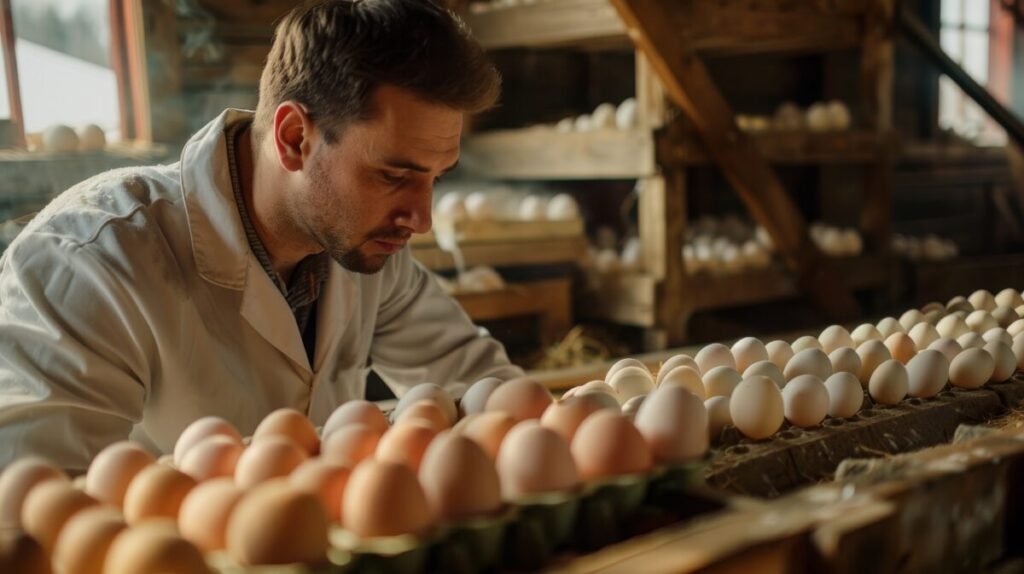
Sustainable Egg Farming: The Science of Quality and Nutrition
Egg farming is a vital part of the global food system. It provides a high-quality source of protein to millions of people. At Egzaa, we believe that the journey of an egg starts long before it reaches your kitchen. Understanding the farming process is crucial for making informed choices about nutrition. This guide explains how modern farming impacts the quality of your meals.
The Foundations of Modern Egg Farming
Modern egg farming has undergone significant evolution over the years. Today, it focuses on efficiency and animal welfare. Farmers use advanced technology to monitor bird health. They ensure that every hen receives the right amount of nutrients. This precision leads to consistent egg quality. A well-managed farm is the first step toward a healthier lifestyle.
The Importance of Hen Nutrition
What a hen eats directly affects the egg you eat. Professional farmers use a balanced blend of grains and minerals. Many farms now add flaxseeds to the feed to increase Omega-3 levels. This process is called bio-fortification. It makes the eggs more nutritious for the consumer. High-quality feed ensures a strong shell and a rich, golden yolk.
Organic vs. Conventional Farming Methods
There are many ways to manage an egg farm. Organic farming requires hens to have outdoor access. They must eat feed that is free from synthetic pesticides. Conventional farming is more focused on large-scale production. Both methods have strict safety standards. However, organic eggs are often preferred for their natural production cycle.
Sustainability in the Egg Industry
Sustainability is a major goal for modern farmers. They work to reduce the carbon footprint of their operations. This includes managing waste properly and saving water. Some farms even use solar energy to power their facilities. Sustainable farming ensures that we can produce food without hurting the environment. It is about protecting the future of our planet.
Biosecurity and Safety Standards
Safety is the most critical part of egg farming. Farmers follow strict biosecurity protocols to prevent disease. This includes regular testing and controlled access to the barns. Eggs are washed and inspected before they are packaged. This ensures that they are free from bacteria like Salmonella. Safe farming practices protect the health of all consumers.
The Role of Technology in Egg Production
Technology helps farmers maintain high standards. Automated systems collect eggs gently to prevent cracks. Climate control systems keep the barns at the perfect temperature. Even the lighting is adjusted to mimic natural day and night cycles. These innovations reduce stress for the birds. Better technology leads to a more reliable food supply.
Economic Impact of Egg Farming
Egg farming supports thousands of jobs worldwide. It is the backbone of the rural economy. From feed suppliers to transport drivers, many people depend on this industry. By choosing high-quality eggs, you support ethical farming businesses. It is an investment in both your health and the local community.
Choosing the Best Eggs for Your Family
When you visit the store, look for labels that explain the farming method. Whether you prefer free-range, organic, or cage-free, knowledge is power. Freshness is also a key factor in quality. Most eggs reach the store within a few days of being laid. Understanding the farm-to-table process helps you appreciate the hard work behind every meal.