
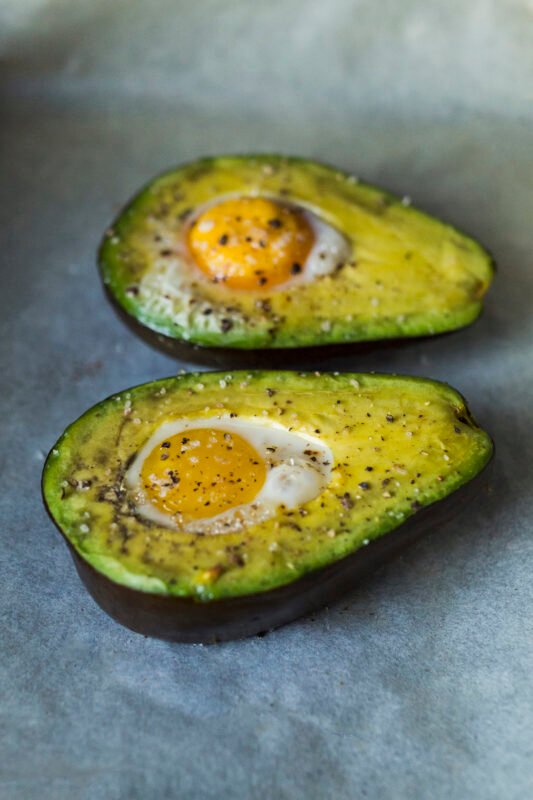
If you are looking for a nutritious and visually stunning start to your morning, these Healthy Baked Avocado Eggs are an absolute game-changer. This dish combines the buttery, creamy texture of a warm, roasted avocado with the rich, golden protein of a perfectly set egg. It is a simple yet sophisticated breakfast that is ideal for keto, paleo, or anyone who simply loves a healthy backed, avocado eggs for a low-carb brunch that feels like a luxury meal.
Beyond the incredible taste, this recipe is a nutritional powerhouse. Avocados are famous for their heart-healthy monounsaturated fats and high fiber content, while eggs provide high-quality protein and essential vitamins like B12 and Vitamin D. When you combine them, you get a balanced meal that sustains your energy levels and keeps you feeling full until lunch. Whether you are a busy professional or a home cook looking to impress, this recipe deserves a permanent spot in your morning routine.
Recipe Details
- Prep Time: 10 minutes
- Cook Time: 15 minutes
- Total Time: 25 minutes
- Servings: 2
- Calories: 240 kcal per serving
Ingredients
- 2 large ripe avocados (Look for avocados that are slightly soft but not mushy)
- 4 large organic eggs (Preferably room temperature for even cooking)
- 1/4 teaspoon (1.25 ml) fine sea salt (To bring out the natural flavors)
- 1/4 teaspoon (1.25 ml) freshly cracked black pepper
- 1 tablespoon (15 ml) fresh chives or scallions (Finely chopped for garnish)
- 1/2 teaspoon (2.5 ml) red pepper flakes (Optional, for a touch of heat)
- 1 teaspoon (5 ml) extra virgin olive oil (To lightly coat the avocado skin)
Step-by-Step Instructions
1. Prepare Your Oven and Baking Surface
Preheat your oven to 425 degrees Fahrenheit (220 degrees Celsius). A hot oven is crucial for setting the egg whites quickly without over-browning the avocado. Line a sturdy baking sheet with parchment paper for easy cleanup, or select a small oven-safe ceramic baking dish that can hold the avocados tightly together so they do not tip over during the baking process.
2. Prepare the Avocado “Bowls.”
Slice your avocados in half lengthwise and twist to separate the halves. Remove the pits carefully. Using a metal spoon, scoop out about 1 to 2 tablespoons of the avocado flesh from the center of each half. It is important to create a deep and wide well; if the hole is too small, the egg will overflow and create a mess. You want the cavity to be large enough to comfortably hold the entire egg.
3. Stabilize the Avocados
Place the avocado halves onto your prepared baking tray. If they seem wobbly or lean to one side, use a sharp knife to slice a very thin layer off the bottom of the avocado skin. This creates a flat base, allowing the avocado to sit perfectly still. Alternatively, you can create small “nests” using crumpled aluminum foil to support the sides of each avocado half.
4. Adding the Eggs
Carefully crack one egg into a small ramekin or bowl first. This allows you to check for shells and makes it easier to pour. Gently slide the egg into the avocado hole. Repeat this process for all four halves. If your eggs are extra-large, you may need to discard a tiny bit of the egg white before pouring to ensure the yolk remains centered and the white stays within the avocado rim.
5. Season and Bake
Sprinkle each egg with a pinch of sea salt, cracked black pepper, and red pepper flakes if you enjoy spice. Slide the baking sheet into the center rack of the oven. Bake for 12 to 15 minutes. At the 12-minute mark, the whites should be opaque and set, while the yolks remain beautifully runny. If you prefer a fully firm yolk, let them bake for the full 15 minutes or slightly longer.
6. Garnish and Serve
Once the eggs are cooked to your liking, remove the tray from the oven. The avocado will be warm and incredibly soft. Sprinkle the freshly chopped chives over the top while the eggs are still hot. Serve immediately with a side of fresh greens, a slice of keto toast, or simply enjoy them on their own with a spoon.
Expert Tips for the Perfect Bake
The secret to a perfect Healthy Baked Avocado Eggs is all in the stability. If your avocados are rolling around the pan, the egg will slide right out before it has a chance to set. I highly recommend using a muffin tin or creating small rings out of crumpled aluminum foil to nestle the avocados into. This keeps them level so the egg cooks evenly right in the center, and the presentation stays beautiful.
Temperature of this Healthy Baked Avocado Eggs dish matters more than you might realize. Try to use eggs that are at room temperature rather than cold from the fridge. Room temperature eggs cook more evenly with the avocado, preventing a situation where the top of the egg looks done but the bottom is still undercooked. It also helps reduce the total time the avocado spends in the heat, which preserves its beautiful, vibrant green color and prevents it from turning bitter.
Do not be afraid to scoop out more avocado than you think you need. While it feels like a waste of fruit, you can save the scooped-out portion for a quick side of guacamole or spread it on toast later. Creating a deep, wide well is the only way to ensure a large egg stays contained. If you skip this step, the egg white will run over the sides, and you will lose that perfect “egg-in-a-hole” look.
Delicious Variations to Try
The Mediterranean Twist: Before adding the egg, sprinkle a little bit of crumbled feta cheese and dried oregano into the avocado hole. Once baked, top it with sun-dried tomatoes and a drizzle of balsamic glaze for a burst of savory flavor.
The Protein Power-Up: For those who need extra energy, top your finished dish with crispy bacon bits, crumbled turkey sausage, or a thin slice of smoked salmon. This adds a salty, smoky crunch that complements the creaminess of the avocado and makes the meal even more satisfying.
Spicy Mexican Style: Add a spoonful of black beans and corn to the cavity before the egg. After baking, top with fresh cilantro, diced tomatoes, and a dollop of Greek yogurt or sour cream.
Storage and Reheating Advice
Healthy Baked Avocado Eggs dish is truly at its best when enjoyed immediately, as the texture of a baked avocado can change once it has been chilled. However, if you have leftovers, store them in an airtight container in the refrigerator for up to 24 hours.
To reheat, avoid the microwave at all costs, as it will make the egg rubbery and the avocado mushy. Instead, place the halves in an air fryer or a toaster oven at 350 degrees Fahrenheit for about 5 to 7 minutes until warmed through. This helps maintain the integrity of the avocado while keeping the egg palatable.
Frequently Asked Questions
Is it safe to bake an avocado?
Yes, it is perfectly safe to bake an avocado. While most people enjoy them raw, heat softens the healthy fats and creates a creamy, custard-like texture. To avoid any bitterness, ensure you bake it at a moderate temperature and do not overcook the fruit beyond the point where the egg is set.
Is it good to eat avocado and eggs together?
Eating avocado and eggs together is an excellent nutritional choice. This combination provides a powerful balance of high-quality protein from the eggs and heart-healthy monounsaturated fats from the avocado. It is a popular staple in keto, paleo, and whole-food diets because it keeps you full and energized for hours.
How do you bake an avocado with an egg?
To bake an avocado with an egg, start by slicing a ripe avocado in half and removing the pit. Scoop out a small extra spoonful of the flesh to make the hole large enough for the egg. Place the halves on a baking sheet, crack an egg into each cavity, and bake at 425 degrees Fahrenheit for about 12 to 15 minutes until the whites are firm.
How much protein is in 2 eggs and half an avocado?
A serving consisting of two large eggs and half of a medium avocado contains approximately 14 to 16 grams of protein. This makes it an ideal muscle-building breakfast. In addition to the protein, you also get about 15 grams of healthy fats and 7 grams of dietary fiber, making it a complete nutritional powerhouse.